Shopping for women's fragrance with patchouli can feel like walking into a room where everyone is speaking in perfume code. Earthy, woody, chypre, amber, dry, green: what does any of that mean on actual skin? I have spent eight years testing samples, decants, and approximately too many blind buys, and I can tell you the useful part plainly. Patchouli is not automatically dusty, heavy, or masculine. In the right formula, it can smell like polished wood, cocoa, clean soil after rain, or a soft cashmere sweater.
I am not a perfumer, and I am not a brand. I am a Chicago fragrance obsessive with about 40 full bottles and more than 200 samples and decants passing through my little North Side testing corner. Every recommendation here comes from wearing scents through real days, including grocery runs, office hours, windy lakefront walks, and the occasional dinner where Nate, my fragrance-neutral partner, gives the Boyfriend Test.
Notes, Decoded: What Patchouli Actually Smells Like
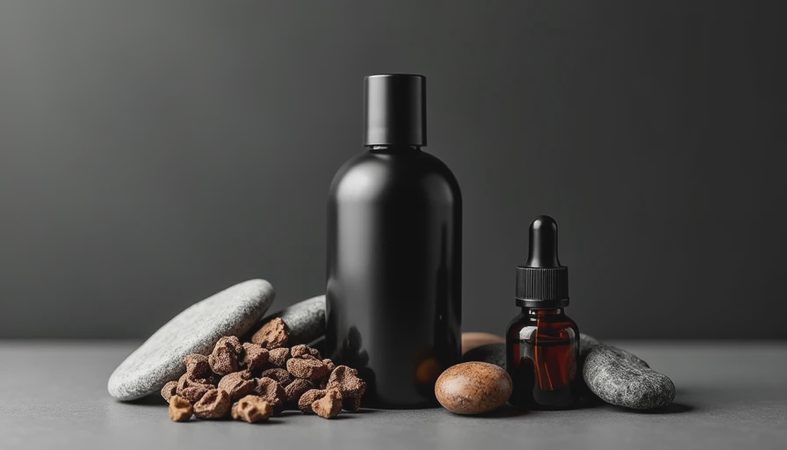
Patchouli comes from the leaves of a tropical plant, but the finished material can take several different directions. A clean, modern patchouli may feel woody and gently peppery. A darker version can bring damp earth, cocoa, leather, or the smell of an old wooden drawer. When it is blended with rose, vanilla, citrus, or white musk, it often becomes smoother and easier to wear.
Think of patchouli like rosemary in cooking. Add a little and it gives a dish structure; add too much and suddenly dinner tastes like a garden center. Perfumers use it in tiny or generous amounts depending on the effect they want. It can anchor a perfume without becoming the headline, or it can sit right at the front and announce itself with muddy, dramatic confidence.
The word “patchouli” also covers different experiences. Some fragrances smell bright and herbal, while others are sweet and chocolate-like. That is why a paper blotter is only the beginning. Your skin, climate, lotion, and even how much you spray can change the balance considerably.
The Best Styles to Sample First
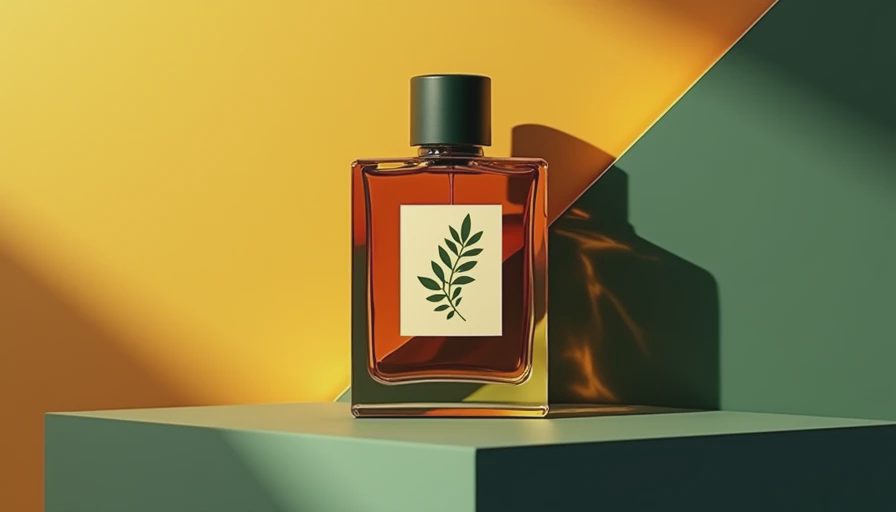
If you want women's fragrance with patchouli but do not want a hippie-shop cloud around you, begin with compositions that pair it with brighter materials. Citrus and patchouli can feel crisp, almost like orange peel scattered over a wooden table. Rose and patchouli create a classic contrast: soft petals against something earthy and grounded. Vanilla, amber, and patchouli move warmer and sweeter, often making the material feel plush rather than sharp.
A few well-known examples show the range. Chanel Coco Mademoiselle is a polished designer reference, with citrus, rose, and patchouli arranged in a smooth, dressed-up structure. Mugler Angel takes patchouli in a much sweeter, louder direction, combining it with gourmand notes; it is not a quiet office scent for most people. Jo Malone English Pear & Freesia includes a softer, more transparent style of patchouli, where the note helps give shape to a bright fruity floral profile.
These are not interchangeable recommendations. Coco Mademoiselle suits someone who wants a tailored jacket effect. Angel is more like dessert at a crowded party. English Pear & Freesia is lighter and easier to imagine for daytime, though its longevity can feel modest. The lesson is to compare the whole formula, not shop by one note alone.
How to Test Patchouli on Real Skin
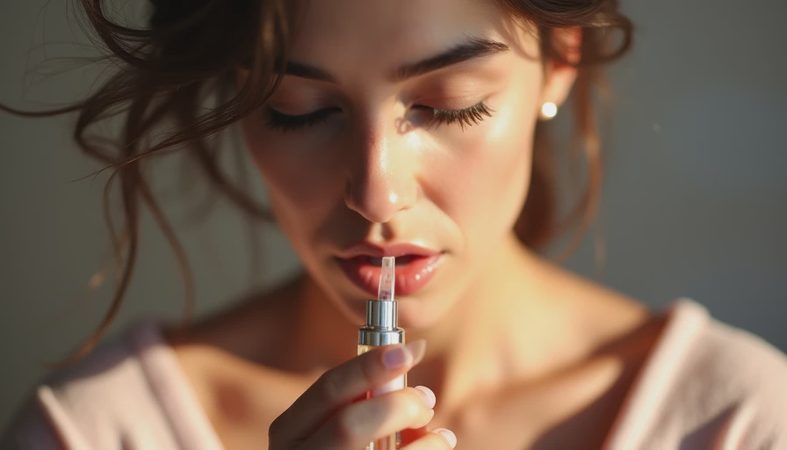
My testing method is intentionally boring because boring prevents expensive mistakes. First, spray one option on a paper strip and write the name and time on the back. Smell it immediately, then again after 20 minutes. If it still interests you, put one spray on your inner arm on a different day. Do not test five patchouli perfumes on one wrist unless you enjoy smelling like a confused candle aisle.
Give the skin test at least six hours. The opening may be citrusy or floral, while the dry-down reveals the actual relationship between patchouli, woods, musk, and sweetness. Pay attention at the one-hour mark, when the top notes have begun to fade, and again near the end of the day. A perfume that feels plain at ten minutes may become beautifully warm later. Another may turn sour, dusty, or too sweet on your skin.
Try the same sample in two kinds of weather if possible. Humidity can make sweet amber and patchouli feel dense. Cool, dry air often makes woody notes feel more angular and noticeable. Use unscented lotion underneath if you need extra moisture, but keep the test consistent. That gives you useful information instead of a random result.

Longevity, Projection, and the Money Question
A good women's fragrance with patchouli does not need to fill an elevator to be successful. Projection describes how far the scent travels, while longevity describes how long it remains detectable. They are separate qualities. A perfume can last eight hours close to the skin without announcing itself across a room, which is often ideal for an office or shared home.
Before buying a bottle, test a sample during a normal day. Notice whether you can still smell it after lunch, whether clothing holds the scent overnight, and whether the dry-down is pleasant when you catch it unexpectedly. If a $4 to $8 sample saves you from a $100 or $180 bottle you stop wearing, that is excellent fragrance math.
Travel sizes are often a sensible middle step. A 7.5 to 15 ml bottle can provide several weeks of wear, depending on how heavily you spray. Full bottles make more sense when you have worn the perfume in different seasons and can name at least three occasions for it. “It smelled good in the store” is not a buying strategy; I fell for that exact trap too.
Choosing by Personality Without Getting Boxed In
For a first women's fragrance with patchouli, ask what you want the scent to do rather than whether you fit a fragrance personality. Do you want a clean signature for work? Look for patchouli beside citrus, musk, or airy florals. Want something for evenings? Sample versions with vanilla, amber, incense, or cocoa. Prefer a vintage feeling? Rose, oakmoss-style accords, leather, and aldehydic florals may create that impression, but they can also feel more assertive.
Price is not a reliable shortcut. Some designer perfumes offer excellent blending and easy wear, while some expensive niche releases are beautiful but difficult in heat or demanding about application. A $35 travel spray that you finish is a better purchase than a $250 bottle that sits untouched. I judge fragrance by use, not by the prestige of its counter.
Nate's Boyfriend Test is helpful here. I wear a scent for several hours without telling him what it is, then ask what he notices. He will not discuss the quality of the patchouli extraction, but he can tell me whether it smells cozy, sharp, sweet, or like “a fancy hotel lobby.” That plain reaction is often more useful than ten dramatic launch descriptions.
My Practical Buying Plan
Start with three samples that represent different styles: one citrusy or floral, one sweet and ambered, and one woody or earthy. Wear each alone on separate days. Write down the opening, the one-hour stage, the dry-down, approximate longevity, and whether you wanted to smell it again. That last question matters more than whether the perfume is technically impressive.
Then choose the smallest sensible format. A decant is ideal if you are still learning what patchouli does on your skin. A travel spray works when you already know the perfume fits your routine. Buy a full bottle only after you have used enough of the sample to miss it. Store it away from direct sunlight, heat, and bathroom steam; a dresser drawer or closet shelf is kinder than a sunny windowsill.
The right women's fragrance with patchouli should make your day feel a little more put together, not turn fragrance into homework. Try it slowly, let the dry-down speak, and judge the scent on your own skin. Tried it. Lived with it. Then I will tell you if it is worth your money.



No comments yet — be the first to share a thought.