When I search for lolita lempicka magazine ads, I am not only looking at perfume marketing. I am looking at a particular kind of beauty advertising: dreamy, theatrical, slightly strange, and completely committed to building a world around one bottle. The original Lolita Lempicka fragrance has always felt bigger than a list of notes, and its print campaigns understood that better than most.
I have spent enough time with old perfume advertisements to know that nostalgia can do dangerous things to your wallet. A beautiful image can make an ordinary scent seem like a lost masterpiece. So this is not a claim that every vintage campaign deserves a frame, or that the fragrance will smell exactly as it did years ago. It is a closer look at why these ads work, what they communicate, and whether the bottle itself earns the attention.
Why the visual identity was so memorable
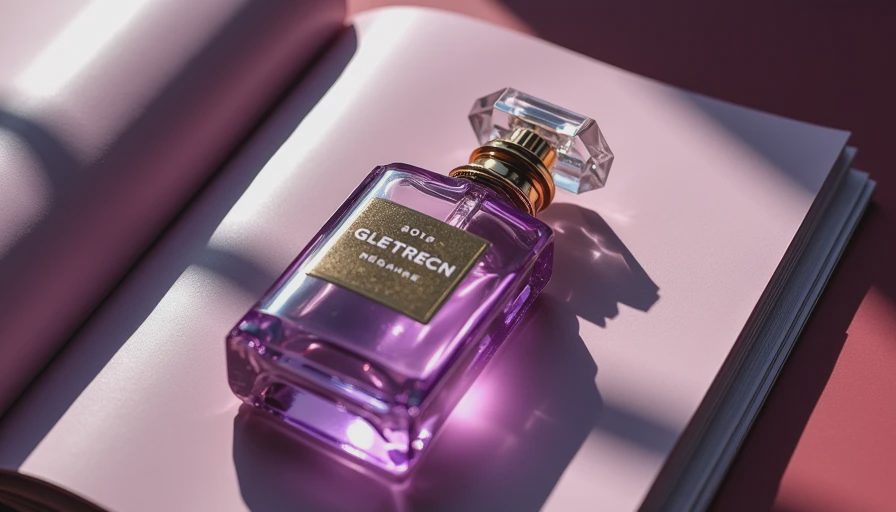
Many fragrance ads choose one of two routes. They show a glamorous face in an expensive-looking setting, or they reduce the campaign to a polished bottle and a vague promise of seduction. Lolita Lempicka took a more illustrated, storybook approach. The bottle, with its rounded purple form and apple-like shape, looked less like a standard department-store flanker and more like something discovered in a velvet-lined drawer.
The ads often leaned into fantasy without becoming completely abstract. Deep violet, mossy green, soft gold, flowers, foliage, and fairytale styling created a visual language that felt romantic but not clean-cut. There was a little darkness underneath the sweetness. That contrast matters because the fragrance itself is not simply sugary fruit. Its identity sits between candied cherry-like fruit, aniseed darkness, powder, woods, and a soft gourmand warmth.
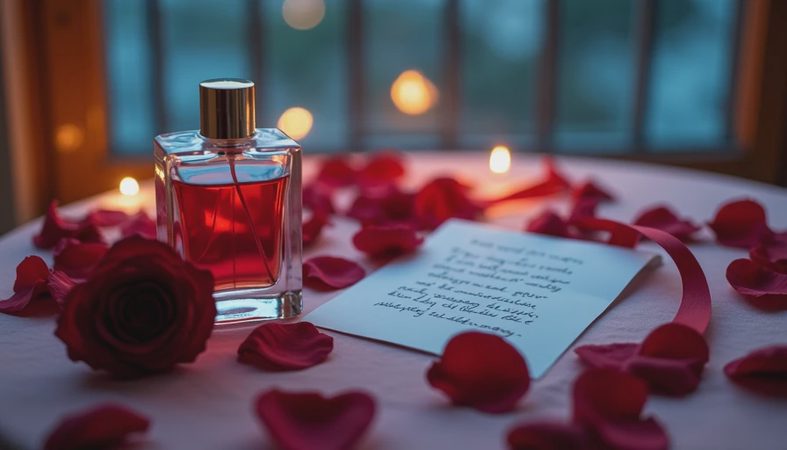
The strongest lolita lempicka magazine ads made the perfume look like a place you could enter. You did not just see a model holding a bottle. You saw a forest, a garden, a night sky, or an enchanted object with a backstory. That is excellent advertising because it gives the buyer an emotional shortcut. You begin imagining who you would be while wearing it.
Notes, Decoded: the sweetness has shadows
On paper, descriptions of this fragrance can sound crowded. Licorice, violet, ivy, vanilla, praline, musk, and woods are not necessarily the ingredients that make a cautious shopper reach for a sample. I understand that reaction. I also fell for the exact opposite trap: seeing a gorgeous bottle, assuming the scent would be easy, and buying before giving my skin enough time.
The opening can read as sweet and aromatic at once. The aniseed effect gives the fruitiness a dark edge, like black licorice tucked into a bowl of candied berries. Violet adds a powdery floral texture rather than a fresh bouquet. As it dries, the vanilla and praline create a warm, edible softness, while the woody notes keep it from becoming frosting on skin.
That balance is why the campaign imagery makes sense. A bright apple alone would suggest crisp shampoo or cheerful fruit. The purple bottle and shadowy garden imply something richer and more unusual. The advertising tells you to expect sweetness, but it also warns you that this is not a plain vanilla comfort scent.
On my skin, I would test it for at least four hours before deciding. The first spray can be the loudest and most theatrical stage, while the dry-down becomes smoother and more wearable. On a paper strip, the darker licorice facet may seem more prominent. Skin adds warmth, and that can pull out the vanilla, powder, and soft woods in a way blotter testing cannot.
What old print advertising gets right
The best lolita lempicka magazine ads leave room for interpretation. They do not explain every note in a tidy paragraph. Instead, they use color, texture, posture, and styling to establish a mood. That approach feels almost old-fashioned now, especially beside short-form fragrance videos that rush from opening spray to a buying link in under a minute.
Print also gave a perfume campaign physical presence. You could find the ad in a magazine, cut it out, tuck it into a drawer, or encounter it at a department-store counter months later. The image became part of the memory of the fragrance. For a scent built around fantasy, that lingering quality was useful. The campaign could sit quietly in the background until you were ready to try the bottle.
There is another detail I appreciate: the imagery was distinctive without requiring the viewer to understand perfume jargon. You did not need to know the difference between a top note and a base note to recognize the world being offered. That is a strength. Fragrance should not require a vocabulary test before it can make you curious.
Does the bottle match the promise?
The bottle certainly carries the concept. It is decorative, recognizable, and more tactile than a plain rectangular flacon. That can be a genuine pleasure if you enjoy displaying perfume. It can also be an annoyance if you prefer bottles that stack neatly in a cabinet or travel easily in a toiletry bag. Beauty is not the same as practicality, and both deserve consideration before spending full-bottle money.
The juice is the more important test. If you like powdery sweetness, licorice accents, violet, and a warm vanilla finish, a sample could be worthwhile. If you strongly dislike anise, candy-like openings, or fragrances that announce themselves, the fairy-tale presentation may not change your mind. A lovely campaign cannot make a difficult note disappear.
Performance is best judged on your own skin and in your own weather. Chicago winter can make soft vanilla feel cozy and close, while a hot, humid day may make the sweetness seem louder. I would start with one spray on the wrist and one at the neck, then wait through the opening, mid-stage, and dry-down. More spray is not a substitute for compatibility.
Nate’s Boyfriend Test was predictably simple: he noticed the sweetness first, then described the dry-down as “dark candy and powder.” That is not a formal review, but it is useful. If someone who does not study fragrance can identify the scent’s main tension in one sentence, the composition has a clear personality.
How to shop without buying the fantasy
Start with a small sample or a two-milliliter decant rather than hunting immediately for a vintage bottle. Older fragrances can differ because of reformulation, storage, and individual seller descriptions. A listing that uses words such as “rare,” “discontinued,” or “vintage” is not automatically evidence of superior smell or value. Ask about fill level, storage, batch information, and whether the seller accepts returns when appropriate.
Use the campaign as a clue, not proof. If the lolita lempicka magazine ads make you curious about a nocturnal, sweet, storybook fragrance, that is useful information. Then compare the scent with your actual wardrobe and routine. Would you wear it to dinner, while reading on a winter evening, or only for the feeling of owning the bottle? Honest answers prevent expensive shelf decoration.
Price-per-wear can clarify the decision. A $12 sample that gets worn several times teaches you more than a $70 blind buy that sits untouched. Even if you eventually choose a full bottle, testing first is the more grown-up version of romance. I learned that after too many attractive boxes became very expensive reminders of my optimism.
My honest take on the campaign
The reason lolita lempicka magazine ads remain interesting is not that they promise perfection. It is that they understand perfume as atmosphere. They sell a feeling of entering a hidden garden, but the fragrance has enough licorice, powder, and wood to keep that garden from looking like a plastic theme park.
I would revisit the scent if you enjoy sweet fragrances with a darker, powdery twist and you are willing to test before buying. I would skip a blind purchase if you want fresh citrus, transparent florals, or an immediately clean office scent. The advertising is beautiful, but its real job is to point you toward a mood, not to make the decision for you.
Tried it. Lived with it. Then I’ll tell you if it’s worth your money: start with a sample, let the dry-down finish, and decide whether you love the perfume itself rather than the fantasy surrounding it.

No comments yet — be the first to share a thought.