
This le labo santal 33 review comes from someone who bought a sample first, wore it through a Chicago winter, and resisted the very tempting full-bottle impulse. I paid for my sample myself; Le Labo did not send me a bottle, and this is not sponsored. I am not a perfumer, and I am not a brand. I am just the person who has been burned by enough beautiful marketing to know that a famous fragrance still needs to work on real skin.
The first spray: dry wood, spice, and a little mystery
Santal 33 opens with dry, papery wood and a cool, peppery snap. It is not the creamy sandalwood of a candle labeled “relaxation,” and it is not a sugary department-store scent. The first few minutes feel more like walking into a vintage furniture shop where someone has cracked a window after rain. There is polished wood, a faint leathery quality, and something airy that keeps the composition from feeling heavy.
The official note story includes sandalwood, cedar, cardamom, iris, violet, leather, and amber. Notes are not a recipe that appears in equal amounts on your skin, though. Think of them like ingredients in a stew: you notice the pepper at first, then the stock, then the warmth left in the bowl. On me, the cedar and cardamom arrive early, while sandalwood becomes smoother as the scent settles.
Nate, my non-fragrance control group, smelled it from my wrist and said, “That smells like an expensive wooden box.” He meant it positively, but not romantically. That reaction is useful. Santal 33 has a polished, unisex character that can read as elegant, austere, or slightly strange depending on your skin and preferences.
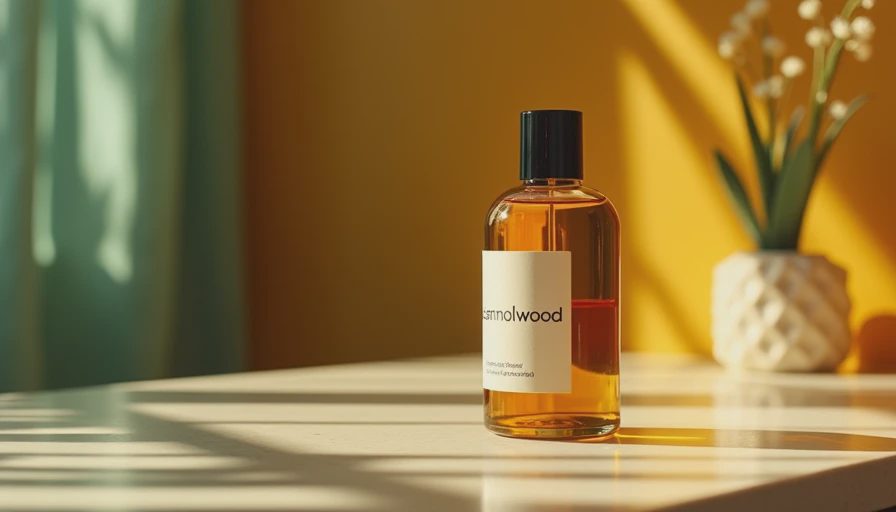
Notes, Decoded: what sandalwood actually does here
Sandalwood is usually associated with softness and creaminess, but Santal 33 uses it in a drier, more structured way. The texture is closer to smooth unfinished wood than to lotion. Cedar adds pencil-shaving dryness, cardamom brings a gentle kitchen-spice lift, and violet and iris create a cool, almost suede-like haze. The leather impression is subtle rather than motorcycle-jacket loud.
That combination is why a le labo santal 33 review can sound completely different from another person’s experience. On one wrist, it can smell woody and clean. On another, it can turn sour, pickle-like, or sharply metallic during the opening. I get a brief green, papery edge before the dry-down becomes warmer. If your skin amplifies cedar or certain synthetic woody materials, test this before spending full-bottle money.
The scent also has a recognizable public life. I have smelled versions of this profile in offices, boutiques, hotel lobbies, and on people walking down Chicago sidewalks. That does not make it bad, but it does mean the “unique” promise attached to it deserves a reality check. It is distinctive compared with many mainstream sweet fragrances, yet it is no longer an obscure secret.
The long wear: skin, paper, and a full day outside
On my skin, the opening lasted around 30 to 45 minutes before becoming less peppery and more woody. The heart stayed noticeable for several hours, and I could still smell a soft, dry trace on my wrist after roughly eight hours. A jacket sleeve held the scent into the next day. Performance was strong enough for me, but not so enormous that one spray filled the entire apartment.
Paper strips made it seem flatter and more cedar-forward. Skin gave it warmth and a slightly sweeter texture, which is why I would never make a buying decision from a blotter alone. I tested it on a cold February morning, a mild spring afternoon, and a humid summer evening. Cold weather made the wood feel cozy and substantial. Warm weather pulled out the sharper, drier side, so I preferred one spray instead of two.
The best placement is low on the neck or one wrist, especially if you work in a shared office. Two or three sprays can become assertive in a small elevator. It is not an aggressive club scent, but it has enough character to announce itself. Longevity also depends on skin, climate, application, and the sample or bottle you test, so treat my timing as a practical reference rather than a guarantee.

Who will enjoy it, and who probably will not
You may like Santal 33 if you want a dry woody fragrance that works across genders, seasons, and casual-to-smart settings. It pairs naturally with denim, wool coats, white shirts, leather bags, and the general uniform of someone who likes clean lines. I can imagine wearing it to a gallery, a dinner, or a Saturday spent wandering vintage stores. It feels composed without being traditionally formal.
You may dislike it if you want sweetness, obvious florals, fruit, vanilla, or a soft “your skin but better” effect. Some people find the opening harsh or medicinal. Others smell pencil shavings, dill, or freshly cut wood. Those comparisons are not insults; they are clues. Santal 33 is built around texture, not crowd-pleasing dessert. It asks you to enjoy dryness.
A le labo santal 33 review also needs to mention familiarity. If several people in your city wear it, you might not want to pay niche prices for a scent that no longer feels personal. On the other hand, your skin chemistry can make a familiar fragrance sit differently, and the bottle’s minimalist label and refillable format appeal to people who value presentation.
Is the bottle worth your money?
Le Labo prices its fragrances at the luxury end, and a full bottle is a meaningful purchase rather than a casual add-on. Exact prices change, but a standard bottle commonly lands in the low-to-mid hundreds of dollars, while samples, travel sizes, and decants offer much lower-risk entry points. I would start with a 1.5-milliliter sample or a reputable decant and wear it on at least three separate days.
At one spray per wear, even a small decant can provide several outings. That is enough to test compliments, headaches, office comfort, and whether you still enjoy the dry-down after the opening drama fades. A travel spray makes more sense than a full bottle if you travel often or are still deciding. Full-bottle value improves only when you genuinely reach for it, not because the label looks good on a shelf.
Could another fragrance give you a similar woody mood for less? Absolutely. Escentric Molecules Molecule 01, Commodity Book, and several cedar-forward scents from designer and indie brands explore related ideas at different prices. They are not replacements, but they show that you do not need to treat Santal 33 as the only sophisticated woody option.
My final verdict
This le labo santal 33 review ends with a qualified yes. It is well made, memorable, versatile, and genuinely enjoyable on my skin after the opening settles. It is also widely recognizable, expensive, and unpredictable enough that blind buying would be a mistake. The hype is not entirely empty, but it has inflated the expectation that everyone will find it magical.
My recommendation is simple: sample first, wear it through a normal day, and judge the last four hours more than the first four minutes. If the dry wood feels comforting rather than scratchy, a travel size could earn its place in your rotation. If you smell pickles, pencil dust, or expensive lobby air and cannot get past it, walk away without guilt. Tried it. Lived with it. Then I’ll tell you if it’s worth it: Santal 33 is worth sampling, but not worth blind-buying.


No comments yet — be the first to share a thought.