
If you have been browsing niche perfume and keep seeing teo cabanel mentioned without a clear explanation of what the house actually smells like, you are in the right place. I spent time with several fragrances from the line instead of judging the brand by a pretty bottle or a dramatic note list. The short version is that teo cabanel makes polished, expressive perfumes with real personality, but not every scent will suit a casual blind buy.
I bought my samples for this article and received no payment or direction from the brand. I am not a perfumer, and I am not a brand. I am the person who has bought too many full bottles after falling for online hype. Tried it. Lived with it. Then I'll tell you if it's worth your money.
What teo cabanel smells like
The house generally leans elegant rather than minimalist. These are not the kind of fragrances that disappear into a soft cloud after twenty minutes. Many have a clear opening, a noticeable middle stage, and a dry-down that feels composed rather than scratchy. Think of a well-made meal with several ingredients kept distinct: you can notice the herbs, the warmth, and the finishing touch without everything becoming one indistinct sauce.
Across the collection, you may encounter roses, jasmine, amber, woods, spices, citrus, vanilla, and darker resinous touches. That does not mean every bottle is heavy. Some fragrances feel luminous and floral, while others are richer and more suited to cool weather. The common thread is a slightly dressed-up character. Even the easier scents tend to feel more deliberate than a basic department-store body spray.
That polished style is the main appeal of teo cabanel, but it is also why I would sample first. If you usually wear airy citrus, clean musk, or barely-there skin scents, some options could feel too substantial. If you like a perfume that leaves a thoughtful trail without smelling like a room freshener, the house becomes much more interesting.

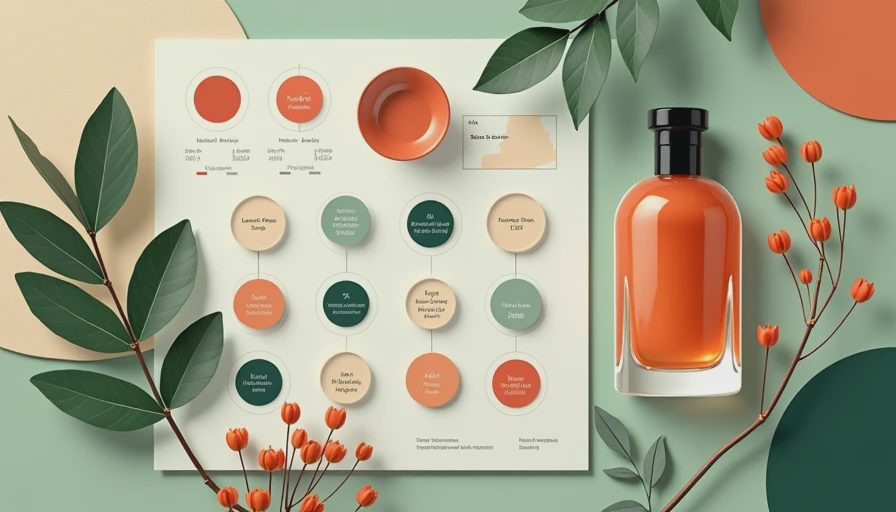
Notes, decoded: how to read the collection
Perfume notes are not a recipe printed on the back of a bottle. They are clues about the effect a fragrance is trying to create. A rose note, for example, can smell fresh and dewy, dark and velvety, or sweet like rose candy. Vanilla can be creamy, smoky, woody, or almost pastry-like. The materials around it decide the result.
With teo cabanel, I paid close attention to transitions rather than trying to identify every ingredient. The opening is what you smell during the first ten minutes, when bright citrus, herbs, fruit, or spice often make the introduction. The heart appears as the fragrance settles, usually bringing flowers, woods, or a central accord forward. The base is the part left on skin several hours later: amber, musk, vanilla, patchouli, or dry woods.
This matters because a sample that seems ordinary at the start can become beautiful later. I have also loved an opening only to discover that the dry-down turned too sweet for my taste. Test on skin, not just paper, because body heat and skin chemistry can change the balance. Paper is useful for comparison, but your wrist is where the practical decision happens.
My wear test: skin, paper, and a normal day
I tested teo cabanel on one wrist and a paper strip on the other whenever possible. I checked the scent after roughly fifteen minutes, two hours, and the end of the day. This is not laboratory data, and I am not going to pretend that my skin behaves exactly like yours. It is a real-person test: commuting, answering emails, making dinner, and occasionally hugging Nate while he gives an untrained opinion.
The brand's more concentrated-feeling scents performed best in cooler weather, when the air gave them room to unfold. In a heated room or on a warm afternoon, one or two sprays were enough for me. That is useful information if you live in an apartment, share an office, or sit close to other people on public transportation. More perfume is not automatically better perfume.
Longevity also depends on application. Moisturized skin usually holds fragrance better than dry skin, and spraying fabric can extend the impression, though delicate materials deserve caution. I would expect several hours from many samples in this style, with the strongest projection usually arriving early. The dry-down tends to become closer and smoother rather than vanishing all at once.
Who should sample teo cabanel first?
Start here if you enjoy classic perfume structure but want something less predictable than the most common designer releases. You may also like the house if you enjoy building a small wardrobe: one fragrance for a dinner, one for a cool Sunday, one for a professional setting, and one for evenings when you want more presence.
I would be more cautious if your ideal perfume is a very clean laundry musk or a transparent aquatic. Those styles exist for people who want fragrance to behave like a crisp white shirt. teo cabanel often feels more like a good wool coat: finished, textured, and noticeable. That is a compliment if you like character, but it can feel overdressed on a hot day.
Nate's Boyfriend Test was revealing in the usual way. He did not identify notes, but he noticed when a fragrance smelled warm, floral, or expensive. His favorite was the one he described as “put together without trying too hard.” That is close to my own reaction. The collection generally aims for refinement rather than shock value.
Is teo cabanel worth the money?
The answer depends on how you shop. A sample or small decant is the sensible first purchase, especially if you are still learning what amber, floral, or woody perfume does on your skin. Spending around $5 to $10 on a sample is far less painful than owning a $150-plus bottle that stays untouched in a drawer. Exact prices vary by retailer, size, and availability, so compare before checking out.
A full bottle makes more sense when you have worn it at least twice in different conditions and still want it the next morning. I also like a simple price-per-wear test. If a $180 bottle becomes a weekly favorite for two years, it can be a better purchase than three cheaper bottles you barely use. If you only reach for it during one holiday party, the decant is probably the smarter choice.
Do not pay extra merely because a fragrance is labeled niche. The value is in how often you will wear it, how much you enjoy the dry-down, and whether it fills a gap in your collection. teo cabanel earns consideration because the scents feel intentional, not because a high price automatically makes them superior.
My honest conclusion
I would not recommend blind-buying the entire line, and I would not use exclusivity as a reason to spend money. I would recommend sampling teo cabanel if you want expressive, well-shaped fragrance with more depth than a quick department-store spritz. The best options will appeal to people who enjoy florals, amber, woods, and a touch of old-fashioned polish without wanting a dusty museum effect.
Start with two or three samples, wear each one through the opening and dry-down, and write down what you actually reach for. If one keeps calling you back after the novelty fades, then a bottle may be justified. If none work, you have spent a small amount to avoid another expensive blind-buy mistake. For me, that is the real appeal of teo cabanel: a house worth investigating carefully, not worshiping from a distance.


No comments yet — be the first to share a thought.