Decanting perfume is the simple practice of moving fragrance from a larger bottle into a smaller spray or dab vial. It sounds like a tiny bit of fragrance housekeeping, but it can save you from an expensive blind buy, make travel easier, and help you live with a scent through an entire day. I fell for the hype-and-full-bottle trap more than once, so I understand the appeal of getting a real test instead of trusting a five-minute department-store spray.
A decant is not automatically better than a sample, and it is not always the cheapest route. The value depends on the fragrance, the seller, the amount you need, and whether you actually wear it. My rule is simple: try it on skin, let the dry-down happen, and decide whether it earns space in your routine. Tried it. Lived with it. Then I'll tell you if it's worth it.
What decanting perfume actually means
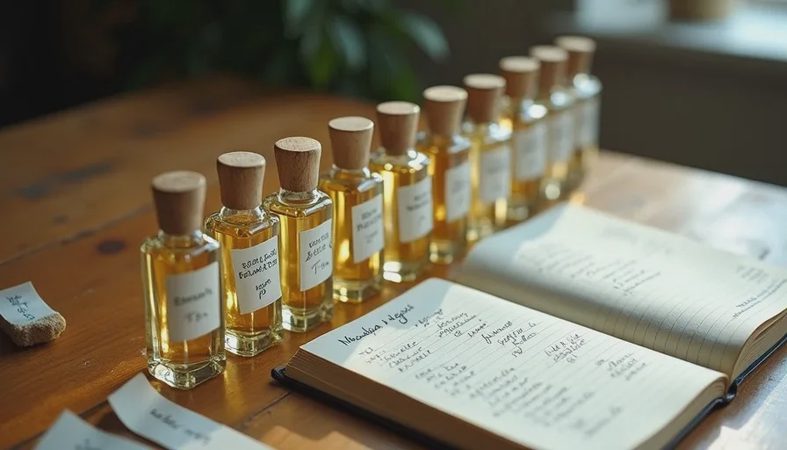
Decanting perfume usually involves transferring fragrance from an original bottle into a smaller container, often holding 1, 2, 5, or 10 milliliters. A seller might use a syringe, a specialized adapter, or a careful spray-and-fill process. Some sellers purchase full bottles and divide them; others offer partial bottles from personal collections. Those details matter because a decant should be clearly labeled with the fragrance name, concentration when known, fill amount, and seller information.
A decant is different from a manufacturer sample. A sample is normally filled and packaged by the brand, while a decant is created by another person or retailer. That does not make it bad, but it means quality control can vary. Decanting perfume also does not change the scent itself when it is handled properly. The liquid should smell like the original fragrance, although a tiny vial can seem stronger or weaker because of its sprayer, storage, or the way you apply it.
For perspective, a 2 ml vial can provide roughly 20 to 30 sprays, depending on the atomizer. A 5 ml travel spray may offer 60 or more. That is enough to test office wear, a dinner, a warm afternoon, and the next morning's leftover skin scent without spending $150 or more on a bottle you might dislike.

Why smaller amounts beat blind buying
The best reason for decanting perfume is time. Top notes can be charming for ten minutes and completely different after four hours. Bright citrus may turn into a clean woody skin scent, while a creamy vanilla can become heavy and sticky in a heated room. Paper strips are useful for comparison, but skin, clothing, weather, and body chemistry give you the more honest answer.
I test a new fragrance at breakfast, then make a note at lunch, late afternoon, and bedtime. Nate, my untrained but highly reliable boyfriend-test panel, often notices the practical question before I do: does it smell pleasant when someone is sitting next to you? That answer is more useful than calling a perfume “complex” if you would never reach for it.
Decants are especially sensible for expensive niche fragrances from houses such as Maison Francis Kurkdjian, Byredo, Le Labo, or Xerjoff. A small amount lets you compare a $12 to $30 trial purchase with familiar designer options from Chanel, Prada, or Dior. You can also test seasonal behavior. A dense amber that feels luxurious in January may become too loud in a humid July commute.
How to buy a trustworthy decant
When shopping for decanting perfume services, look for clear product photos, accurate volume descriptions, tamper-conscious packaging, and a return or support policy. Established specialty retailers and sellers with consistent fragrance-community feedback are safer starting points than a vague listing that only says “inspired by” or “authentic smell.” If the price is dramatically below every other listing, ask why before ordering.
Read the concentration carefully. Eau de parfum, eau de toilette, extrait, and parfum can smell related but are not interchangeable. A listing should also explain whether the container is a spray or dab vial. Sprays are easier for realistic testing, while dabbers can place more liquid on one spot and make a fragrance seem unusually intense.
Decanting perfume should preserve the original identity, not disguise it. Avoid listings that use a brand name while offering an “oil version,” “impression,” or unnamed alternative unless you specifically want a dupe. For a genuine test, you need to know what you are wearing.
A safe way to decant from your own bottle
If you are transferring fragrance at home, work over a clean tray away from candles, sinks, and pets. Use a clean glass or fragrance-compatible plastic atomizer. Do not pour fragrance into a container that previously held another scent; even a trace of old oud or musk can muddy a delicate iris.
The easiest method is a purpose-built refillable travel atomizer that draws fragrance through its base, provided the bottle stem fits the adapter. Otherwise, a small cosmetic syringe can transfer liquid with less mess than spraying repeatedly into an open vial. Keep the cap tightly closed, label the container immediately, and wipe the outside before putting it in a bag.
Decanting perfume at home is not a good reason to dismantle an expensive bottle or force a crimped sprayer. You can damage the original, spill valuable liquid, or introduce air and debris. If the bottle does not cooperate, buy a suitable empty atomizer instead of turning the project into a kitchen chemistry experiment.
Storage, shelf life, and everyday use
Treat a decant like the original bottle: store it somewhere cool, dark, and reasonably stable. A bedroom drawer or cabinet is better than a sunny windowsill, car glove box, or steamy bathroom. Heat and repeated temperature swings can accelerate changes in fragrance, especially in a tiny container with more air exposure.
Keep the cap closed between uses and avoid touching the nozzle to your skin. If the liquid becomes cloudy, develops an odd sour smell, or changes dramatically from the original, stop using it. A normal dry-down can evolve, but it should not smell like dirty plastic or stale cooking oil.
Decanting perfume is also useful for travel, although airline rules apply to liquids in carry-on bags. Put small sprays in a clear liquids bag and protect them from pressure and leakage. For a weekend away, one 5 ml evening scent and one 2 ml daytime option are more practical than carrying a full 100 ml bottle.
Is a decant worth your money?
Calculate cost per wear rather than judging only the vial price. Suppose a 5 ml decant costs $24 and gives you about 60 sprays. That is roughly 40 cents per wear if you use one spray, or 80 cents if you use two. If the full bottle costs $180, you would need many enjoyable wears before that larger purchase feels sensible.
Decanting perfume makes the most sense when you are testing a luxury bottle, comparing several similar scents, or unsure how your skin handles a material such as patchouli, ambroxan, or white musk. A full bottle makes more sense when you have finished a decant and still reach for that fragrance across different seasons.
My buying sequence is deliberately boring: sample first, decant second, travel size if available, and full bottle last. Decanting perfume will not eliminate every disappointing purchase, but it lowers the financial sting and gives your nose enough time to separate genuine affection from opening-note excitement. That is a much better use of your money than collecting bottles that look beautiful and gather dust.

No comments yet — be the first to share a thought.