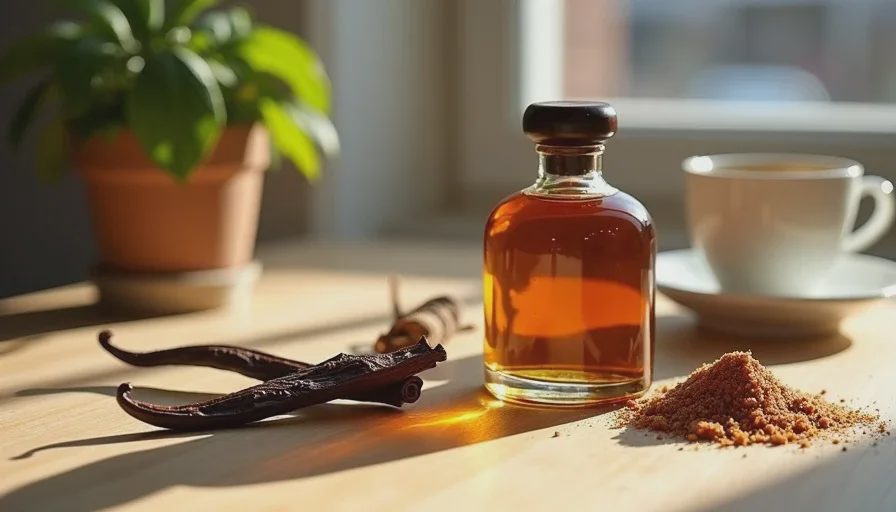
Every time a new "vanilla-caramel" release comes out and someone in the comments calls it a gourmand because it smells like dessert, I wince a little. Not because they're wrong about the dessert part — half of them are wearing something that genuinely smells like a bakery window — but because the real gourmand perfume meaning is so much wider than cake. I've been collecting for eight years, roughly forty full bottles and two hundred decants deep, and the foodiest scents I own are not the sweetest ones. Understanding the category changed how I buy, and it might change how you look at your own shelf.
So What Does "Gourmand" Actually Mean?
The word "gourmand" comes from the French idea of a person who loves good food — not only sweet food. In perfumery, it describes a family of scents built from edible ingredients: vanilla, caramel, chocolate, coffee, almond, tonka bean, praline, and the less obvious ones like hazelnut, rice, or salt. The gourmand perfume meaning has nothing to do with how much sugar something contains. It's about a fragrance that borrows its materials from the kitchen rather than the garden or the spice rack.
The Core Family: Sweet but Structured
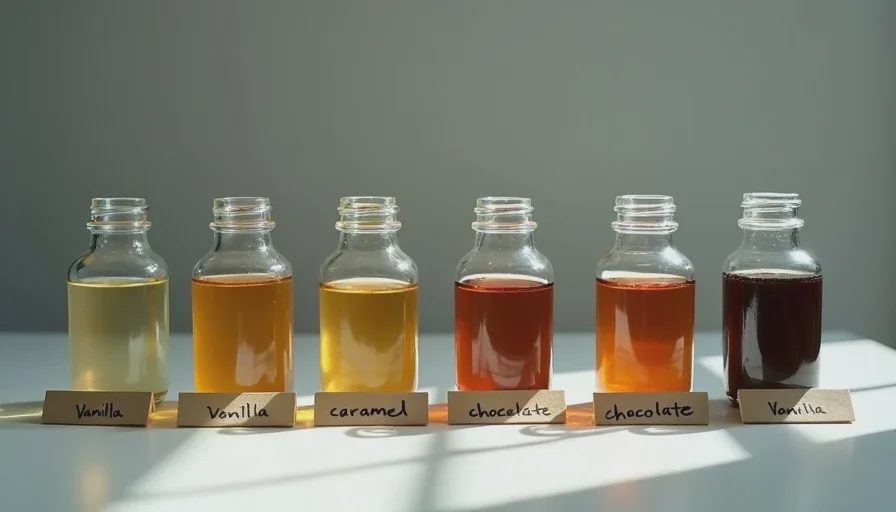
When most people think gourmand, they're thinking of this group — the recognizably sweet materials:
Note | What It Smells Like | How It Usually Reads |
|---|---|---|
Vanilla | Warm, creamy, slightly smoky at the edges | Comforting, familiar, almost cozy |
Caramel | Golden, sticky-sweet, a little toasted | Luxurious but easy to like |
Chocolate | Dark, dry, bitter when done well | Sophisticated, never childish |
Coffee | Roasted, aromatic, a touch bitter | Energizing, grown-up, moody |
Tonka bean | Nutty, almond-like, softly sweet | A sleeker relative of vanilla |
Praline | Nutty caramel, candied | The note that reads "confection" |
Here's the thing I wish someone had told me at twenty-five, when I was blind-buying every bottle with the word "vanilla" in the name: a well-built sweet fragrance has structure. The vanilla sits in the heart and base, supported by woods, resins, or a little spice, so it dries down into something you want to live in rather than something you want to eat in one sitting.
The Quiet Relatives: Tonka, Praline, Almond
The subtler gourmands are where the category gets interesting. Almond shows up in a lot of "clean" fragrances and reads more like marzipan than cake. Tonka bean is a gourmand that plays nicely with leather and tobacco — it's the note that makes a masculine cologne smell a little like warm oatmeal cookies without ever shouting dessert. Praline appears in so many modern releases that most people stop noticing it's edible at all.
Not Everything Edible Is Gourmand
Here's the part that surprises people: some of the foodiest fragrances I own don't smell sweet at all. A good way to understand the full gourmand perfume meaning is to look at its salty and savory edges.
The Salty and the Savory Edge
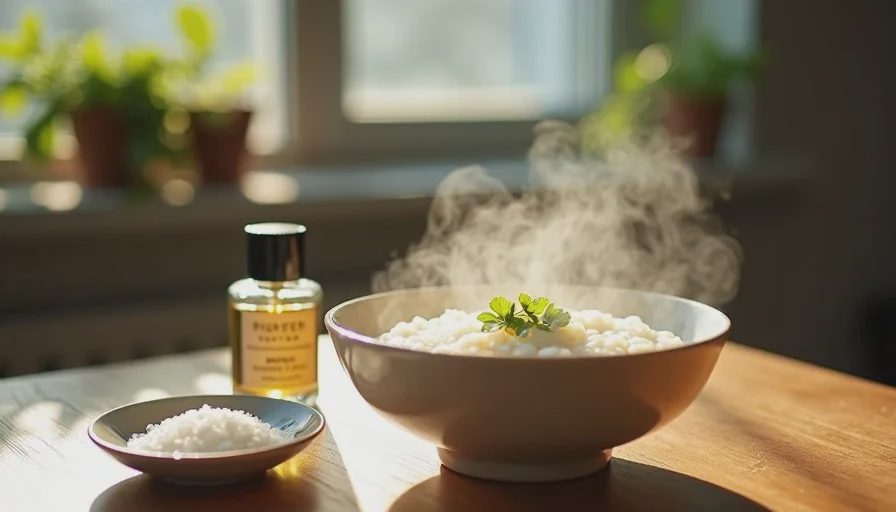
There's a small group of gourmands built around salt, rice, hazelnut, and bread-like materials. They smell like food — actual food, the kind you cook — but they're not dessert. I have a rice-and-milk scent that smells like the bottom of a pot of congee, warm and slightly sweet and completely unsweet at the same time. I have a salted-caramel scent that's all ocean and burnt sugar. These are the ones I reach for when I want to smell edible in a way that isn't about cupcakes.
Gourmand vs. Just Sweet
This is the boundary most people trip on, and it's worth drawing clearly:
Vanilla alone is not automatically a gourmand. Vanilla appears in florals, ambers, and woods all the time as a softener. It needs company from other edible materials to move the scent into gourmand territory.
Sweet amber is not gourmand. Amber comes from resins, not food, even when it smells warm and honeyed.
A gourmand can be almost entirely unsweet. The rice, salt, and hazelnut examples above prove the category runs on the idea of food, not on sugar content.
Placement matters. If a fragrance is vanilla over patchouli and moss, that's a chypre with a sweet twist — not a gourmand. If it's vanilla over praline and tonka, now you're in the kitchen.
How to Test a Gourmand Before You Commit
Gourmands behave differently on skin than most other families, and this is where people get burned. They sample on paper, fall for the sweetness, buy a bottle, and then find the dry-down overwhelming at the two-hour mark. If you're curious about the gourmand perfume meaning in practice, testing properly matters more than reading about it.
My Gourmand Testing Rules
These come from years of living with sweet scents on Chicago skin — summers when my own body heat turns caramel into a cloud, winters when the same bottle barely registers:
Always test on skin, never just paper. A gourmand's sweetness behaves completely differently on skin — body heat pushes it up and out in a way paper can't show you.
Check the dry-down, not the opening. The first thirty minutes of a caramel bomb are rarely the problem. The real question is what it smells like at hour four.
Wear it at a normal dose. Most gourmands need less than you think. Two sprays, not four. The scent should surround you, not announce you.
Try it in the season you'll actually wear it. A coffee-and-tonka scent is a different animal in July than in November. Test it in the weather you have, not the weather you wish for.
Give it three wearings before judging. Some gourmands read cloying on day one and settle into something comfortable by day three. A sample or decant exists for exactly this reason.
Gourmands get dismissed as simple — "it just smells like food" — but the ones worth owning are doing three or four things at once. The category is bigger than cake, weirder than caramel, and more interesting than the jokes about it suggest. If you've been avoiding it because it seemed childish, sample the quiet ones — tonka, rice, salted things — and see what "edible" means when it grows up. Tried it. Lived with it. Then I'll tell you if it's worth it.



No comments yet — be the first to share a thought.