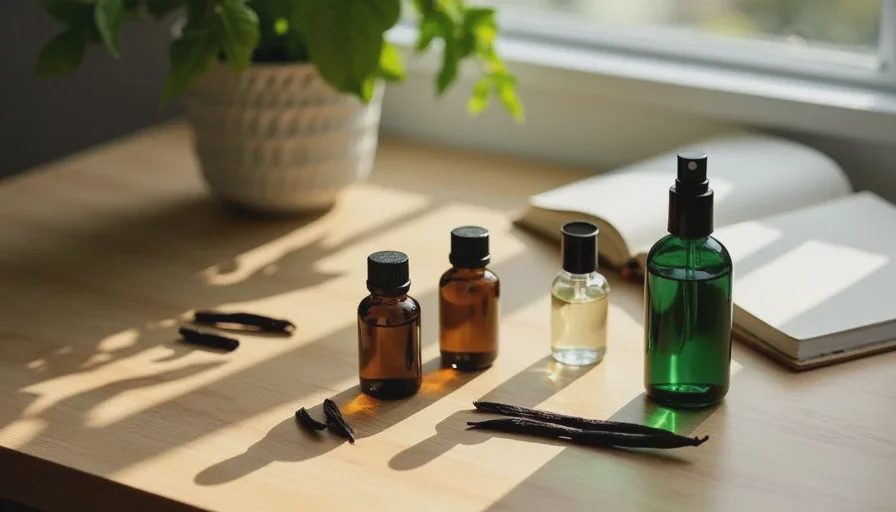
The fragrance world has a weird habit of making you feel like you need to apologize for your budget. Half the niche vs designer perfume conversation you'll read online assumes you have a couple hundred dollars to drop on a bottle, and the other half is quietly shaming you for not having it. I spent years on both sides of that line — I have a temperature-controlled cabinet now, but I started out blind-buying whatever was on sale at the drugstore, and some of those early bottles were genuinely good. This post is about the under-$50 shelf, the one that gets ignored because everyone is busy talking about the expensive one.
Why "Under $50" Shouldn't Be an Apology
Here's the conclusion first: price is not a reliable measure of how a fragrance smells, lasts, or fits your life. A bottle's price tag is mostly a story about materials, marketing, packaging, and brand overhead — and only partly about what's actually inside. There are 20 bottles that are quietly remarkable. Both statements are true, and I own examples of both. This is also why the niche vs designer perfume distinction, which everyone treats like a quality ladder, is really just a pricing structure — where a brand sells itself says very little about what its scent does on your skin.
What You're Actually Paying For
When you buy any fragrance, your money breaks down roughly like this:
Where the Money Goes | What It Does | What Cheap Bottles Look Like |
|---|---|---|
Perfume oil concentration | The actual scent materials | Often fewer or simpler materials |
Alcohol and fixatives | Carry and longevity | Usually fine, sometimes a little thin |
Bottle and packaging | The object you hold | Simple — and that's not a flaw |
Marketing and campaigns | Advertising, imagery, positioning | Close to zero, which is why it's cheap |
Retail markup and distribution | Store shelves, samples, staff | Lower for online and drugstore brands |
A cheap bottle skips the marketing and the fancy packaging and puts a larger share of its cost into the fragrance itself. That's not automatically good, but it does mean you're paying mostly for the juice — the part you actually wear.
When Cheap Fragrances Really Shine
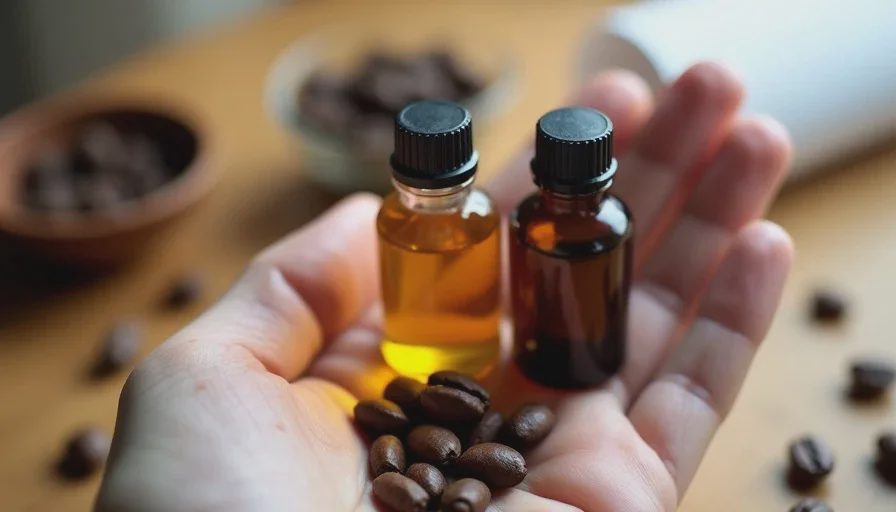
In my experience, budget bottles are most impressive in three situations: simple structures, single-note oils, and well-established formulas that have been inexpensive for decades. Vanilla oils, musk oils, single-note citrus things — these don't need a complex blend to be worth wearing. And some older formulas are cheap simply because they've been made in huge quantities for years, which doesn't change how they smell. One of my favorite under-$50 purchases is a vanilla oil that costs less than a parking meter and earns more compliments than anything triple its price. That one bottle makes the whole case for ignoring the niche vs designer perfume pricing game and simply testing what smells good on you.
Ten Fragrances That Earn Their Shelf Space
A note before the list: I'm not ranking these, and I'm not telling you to buy all of them. These are ten bottles that have earned a place on my shelves or in my rotation, all of them under $50 when I bought them, all of them worth sampling before you buy a full bottle.
The Short List
Fragrance | Family | Around What Price | Why It Earned Its Place |
|---|---|---|---|
Elizabeth Arden Green Tea | Green citrus tea | ~$20 | Bright and clean — the bottle I grab in July |
Solinotes Vanille | Simple vanilla | ~$25 | Honest vanilla, no surprises, layers well |
Nemat Amber | Amber oil | ~$20 | A soft skin scent that disappears into you |
Jovan White Musk | Classic musk | ~$12 | Smells like fresh laundry, undeniably clean |
Kuumba Made Vanilla Bean | Vanilla oil | ~$15 | Thick, foody vanilla that lasts surprisingly long |
Al Rehab Choco Musk | Chocolate musk | ~$10 | The joke scent that turns out to be wearable |
Davidoff Cool Water | Aquatic | ~$35 | The classic aquatic, still fresh decades on |
The Body Shop White Musk | White musk | ~$20 | Soft and powdery, the most polite musk I know |
CK One | Citrus floral | ~$45 | The shared citrus that reads effortless |
Philosophy Amazing Grace | Clean musk floral | ~$40 | The one that makes people say "you smell clean" |
The Long Reads
If I had to explain why each one works, the short version is that they all do one thing well and don't try to do five. Green Tea smells like a cool glass of brewed tea with lemon on a hot day — it's simple, and its simplicity is the point. The amber and musk oils are the ones I reach for when I want to smell like myself rather than like a perfume advertisement. Choco Musk is the bottle I bring out when I need a reminder that fragrance can be fun and unpretentious. Cool Water and CK One are the two classics on the list, and they're classics partly because they were made to be easy — that's not a flaw, that's craft.
The vanilla and musk oils are also the answer to the question I get most: where do I start if I've never liked a single perfume? Start with a $15 oil that smells like vanilla or clean skin. That's how you learn what you actually like, without the pressure of a big purchase. And because these are the kinds of scents that always stay in your collection, they're the rare case where the perfume decant vs full bottle question barely matters — the full bottle is cheap enough to just try.
How I Test Budget Fragrances (Same Rules as Everything Else)
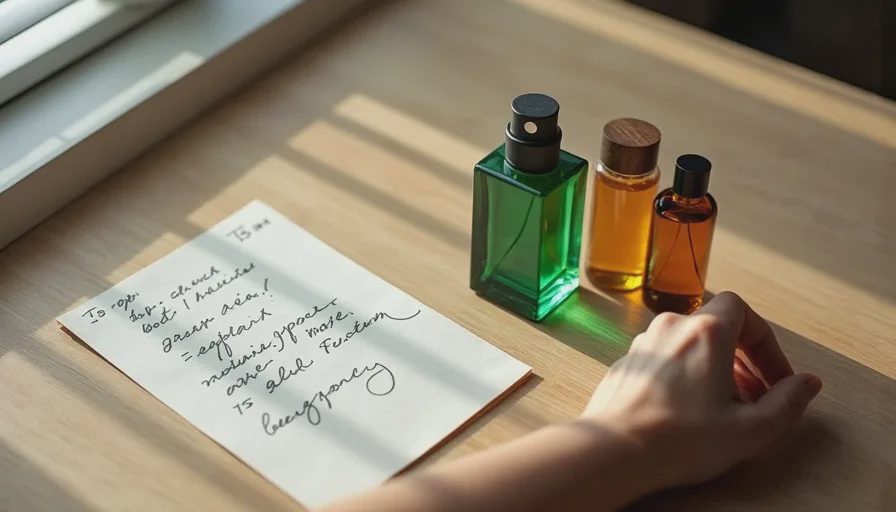
I apply the exact same method to a $10 oil that I do to a bottle from my cabinet: test on skin, track the dry-down, compare across a couple of seasons, and ask Nate what he thinks without telling him what I'm wearing. A cheap fragrance doesn't get a free pass on performance, but it also doesn't get penalized for what it never promised.
The Rules I Use
Judge it against its own price, not against a $200 bottle. I compare two $25 options to each other, not to a niche release.
Skin test, always. Cheap perfumes and expensive ones both change on skin. The $10 chocolate oil is the one example in this post where the paper strip does it no favors at all.
Buy the smallest size first. Most of these come in small bottles or oils, which makes them the rare category where sampling the actual product is genuinely affordable.
Give the dry-down a chance. Some cheap sprays have a rough opening and a genuinely nice hour-four smell. Judge the whole wearing, not the first spray.
Ignore the volume discount trap. Buying three 20 bottle beats three impulsive ones.
A budget doesn't mean you have to settle, and spending more doesn't mean you've won. The whole niche vs designer perfume argument is mostly about marketing and where a brand positions itself — it tells you almost nothing about whether a scent will work on your skin. The bottles that taught me the most about what I like were the cheap ones, because they forced me to learn the difference between "I like the idea of this" and "I actually wear this." Tried it. Lived with it. Then I'll tell you if it's worth it.



No comments yet — be the first to share a thought.