
An oakmoss fragrance usually smells earthy, woody, and a little damp, like the air around a shaded tree after rain. It can also have a dry, bitter-green edge that keeps flowers and fruit from smelling too sweet. If you like perfumes with some shadow and texture rather than a clean laundry finish, oakmoss is worth exploring. If you hear “moss” and picture a jar of wet soil, though, don't panic: the effect can be subtle, soft, and surprisingly polished.
What oakmoss actually smells like
Oakmoss is a lichen, not a moss, and it grows on trees, including oak. In perfumery, material derived from it has been prized for an earthy, woody character with touches that can read as leathery or sea-air salty. Imagine the dark crust on a loaf of bread rather than the soft middle: it adds depth and a little pleasant bitterness.
That doesn't mean every oakmoss fragrance smells like a forest floor. The surrounding notes change the picture. With rose, the earthy base can make the flower feel less like a bouquet and more like petals and stems. With citrus, it creates a contrast between a bright opening and a deeper, drier finish. With patchouli, the overall effect can become rich and dark.
I think of it like adding herbs to a pot of beans: you might not pick out every leaf, but you'd notice if the savory depth disappeared. Oakmoss often works in the base of a perfume, the part that becomes more noticeable as the brighter opening fades. It isn't necessarily the loudest thing in the room.
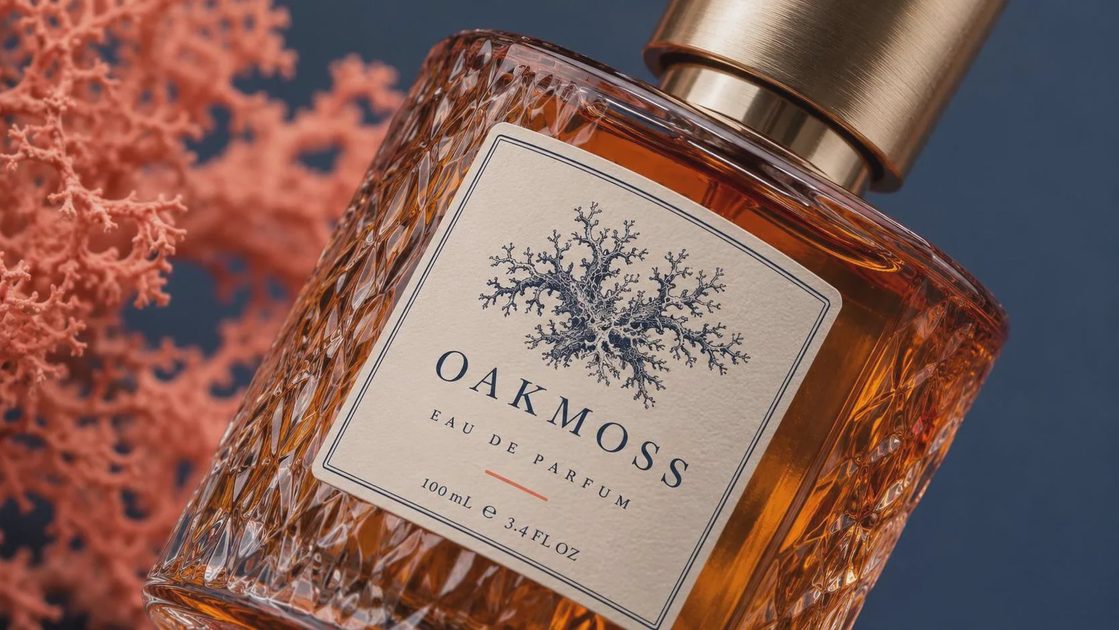
Oakmoss fragrance and the chypre family
Oakmoss has a long association with chypre, pronounced roughly “sheep-ruh.” That's a perfume family traditionally built around a contrast between a fresh citrus opening, often bergamot, and an earthy, mossy base. Floral, fruity, leathery, and animalic touches can fill out the middle.
The useful part of that definition is the contrast. A chypre can start sparkling and end up dry and grounded, rather than staying sweet from beginning to end. If you've ever smelled a perfume that feels both bright and somehow a little stern, you may have encountered that style.
A classic example to seek out is Guerlain Mitsouko, a historic fruity chypre associated with peach, spice, and a mossy character. It may appeal if you want something layered and less obviously sugary. Another is Chanel No. 19, known for a green, floral character; it's a direction to explore if crisp leaves sound more appealing than ripe fruit. Estée Lauder Knowing is another established name to look for if you enjoy a richer floral style. Check availability and concentration before ordering a sample, since versions and formulas can differ.
These aren't interchangeable, and none is a promise that you'll love oakmoss itself. They're starting points for smelling how a mossy idea behaves alongside other notes. I would sample before buying any of them, especially if your usual comfort zone is vanilla or fresh musk.
Does a mossy note mean real oakmoss is inside?
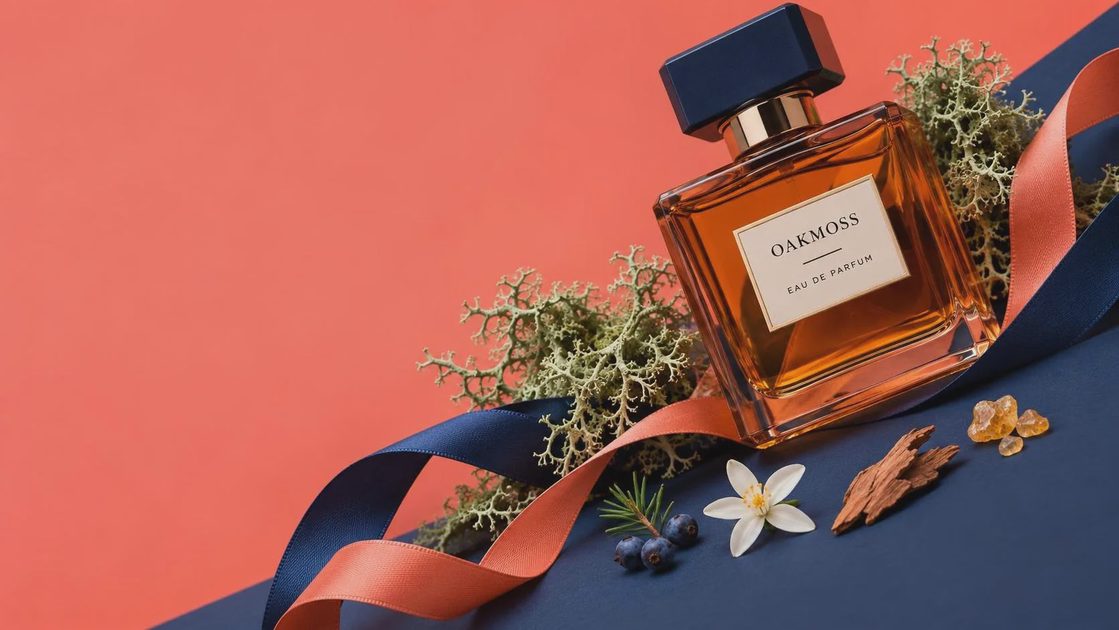
Not necessarily. A note list describes the scent a brand wants you to recognize; it isn't a complete ingredient list. An oakmoss fragrance may use oakmoss-derived material, other ingredients that suggest a mossy effect, or a combination. You generally can't determine the formula just by reading “oakmoss” in the description.
There are also safety restrictions on certain components associated with oakmoss extracts because they can cause skin sensitization. Modern formulas may use treated extracts or alternative materials to achieve a mossy impression. That doesn't make a perfume automatically inferior or “fake.” A recipe can change and still make something beautiful, even if it smells different from an older version.
If you have a known fragrance allergy, don't rely on the marketing notes to decide what's safe. Read the ingredient information on the actual package, ask the manufacturer for clarification when needed, and follow your clinician's advice. Stop using a product that irritates your skin. “Natural” is not the same thing as allergy-free.
How to sample an oakmoss fragrance
Start on paper. Spray once and give the alcohol a moment to settle, then smell again after about 15 minutes. Notice whether the green, earthy quality feels inviting or just scratchy to you. Don't make your decision from the first sniff: citrus and other bright notes can dominate the opening.
If you like it on paper, try a small amount on skin another day. Smell it at the start, after an hour, and later in the day. You're looking for the transition: does the perfume become pleasantly dry and woody, or does it turn into a heavy patch of earth that you can't wait to wash off? Skin chemistry, application, and weather can all affect the experience, so there's no honest way to promise a specific wear time.
A small sample or decant is usually the sensible first purchase. A decant is fragrance transferred from a larger bottle into a smaller container; buy from a seller you trust and check exactly which concentration and version you're getting. Older bottles can smell different from newer ones, and age and storage can change a perfume, too. A vintage bargain isn't much of a bargain if the juice has deteriorated.
What to try if moss feels too dark
Look for an oakmoss fragrance described as citrusy, green, or floral rather than starting with the richest leather-and-patchouli combination you can find. Bergamot can bring lift; rose can soften the earthy edges. A lighter hand with the spray helps, too. One spray is enough to learn a lot, especially in a small room or shared office.
On the other hand, if a mossy dry-down is your favorite part, explore perfumes described as woody chypres or leathery chypres. Read descriptions for the whole composition, not just the word “moss”: sweetness, flowers, woods, and spice will shape what you actually smell.
My rule is simple: don't buy the idea of smelling like a mysterious woodland. Buy a sample, wear it through the dry-down, and see whether you enjoy having that earthy little shadow around. A full bottle can wait.




No comments yet — be the first to share a thought.