
If you're wondering what does patchouli smell like in perfume, picture damp soil, dried leaves, and warm wood, sometimes with a cocoa-like sweetness. It can smell rich and earthy, but it doesn't always announce itself as a dusty incense shop. In a perfume, patchouli might add depth to a rose, make vanilla feel less sugary, or give a clean-smelling scent a slightly woody backbone.
The short answer is that patchouli smells different depending on what surrounds it. Think of it like cocoa powder in a recipe: a little can make the whole thing taste deeper without making the finished dish taste like chocolate.
The smell, without the fragrance jargon
Patchouli comes from a fragrant plant in the mint family, though the perfume material doesn't generally smell like a stick of mint gum. The oil is typically obtained from the plant's leaves, and its scent is often described as earthy, woody, and slightly sweet.
That earthy quality can bring to mind potting soil after watering, dried herbs, or the woodiness of an old dresser. Some people pick up a dark chocolate or cocoa-powder effect; others notice something camphor-like, meaning a cool, almost medicinal sharpness. You might smell one of those things and not the others. A note description is a starting point, not a guarantee that everyone's nose will agree.
Patchouli can also feel dry or damp, depending on the blend. Paired with crisp citrus and light woods, it may register as tidy and airy. Surrounded by resins and spices, it can feel warmer, heavier, and more incense-like. Neither version is the one true patchouli.
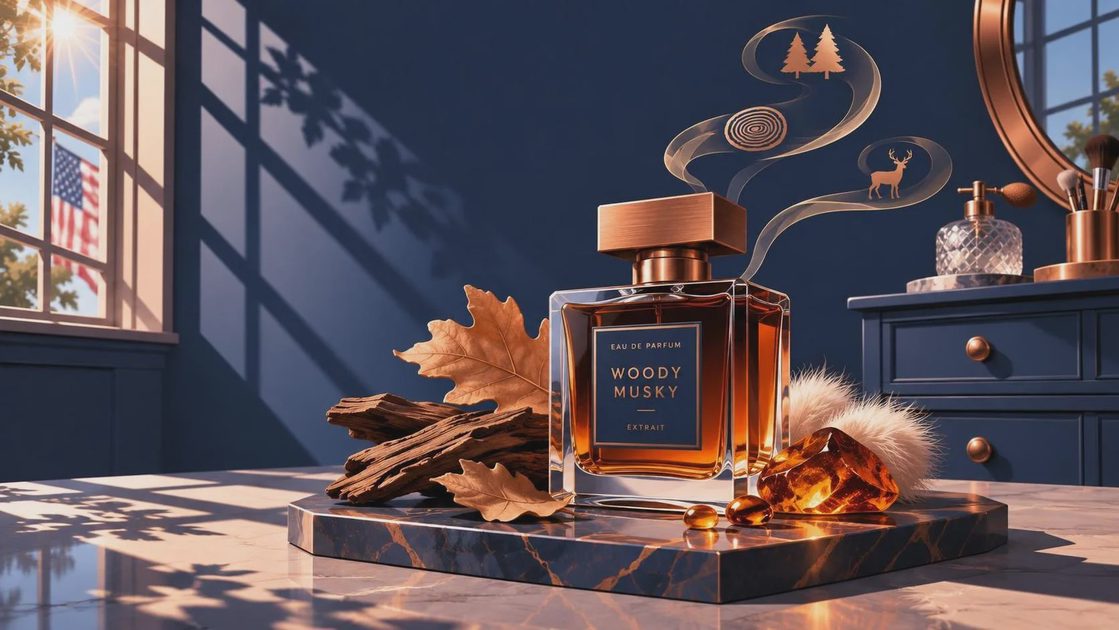
What does patchouli smell like in perfume alongside other notes?
The company it keeps matters as much as the note itself. If you've disliked one patchouli perfume, that doesn't mean you've ruled out every version of it.
With rose, patchouli can make a floral scent feel darker and less like a fresh-cut bouquet. Imagine rose petals next to damp leaves rather than petals in a vase. Depending on the rest of the formula, the result can be velvety, sharp, or surprisingly polished.
With vanilla, caramel, or chocolate-like notes, its earthiness can temper the sweetness. The effect may be closer to dark chocolate with a slightly bitter edge than a frosted cupcake. That said, a perfume can contain both patchouli and plenty of sugar; the note doesn't automatically make a sweet fragrance subtle.
With citrus, patchouli often provides contrast. The opening might feel bright and juicy, while the base becomes woody as the citrus fades. With incense or spices, the same earthy quality may lean smoky and atmospheric. Patchouli itself is not necessarily smoky, though a smoky accord can make it seem that way.
And with musk or soft woods, patchouli can be much less obvious. You may notice only a clean, slightly woody depth. That doesn't mean the ingredient is absent; it means the finished perfume is a blend, not a bowl of separate notes.
Is it always strong or old-fashioned?
No on both counts. Patchouli has a reputation for a big, unmistakable earthy smell, and some perfumes absolutely play that up. Others use it more quietly. The name on a note list won't tell you how much you'll notice it, and fragrance notes are descriptions of a scent rather than complete ingredient lists.
Perfume makers can work with different patchouli materials, including fractions of the oil that emphasize different facets. The rest of the formula, the concentration, and your own perception all contribute to the result. A bottle advertised as a patchouli scent could be rich and earthy, while another perfume listing patchouli in its base might smell mostly floral to you.
It also isn't a note reserved for any gender or age. If a fragrance reminds you of a particular decade or person, that's your association, not a rule about who gets to wear it. Wear the one that smells good to you; skip the one that doesn't.
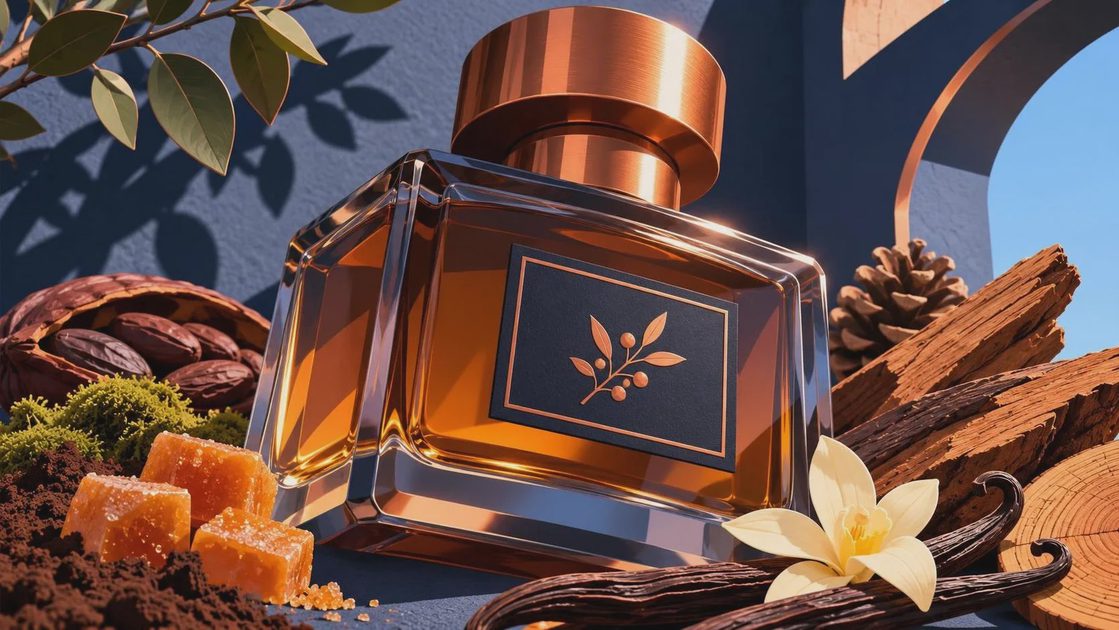
How to find out whether you like it
Start with two samples that take different approaches: one described as earthy or woody, and another that combines patchouli with a note you already enjoy, such as rose or vanilla. A small sample or a decant is a much cheaper experiment than committing to a full bottle based on a note list. A decant is simply perfume transferred into a smaller container; buy from a seller you trust and check the return terms.
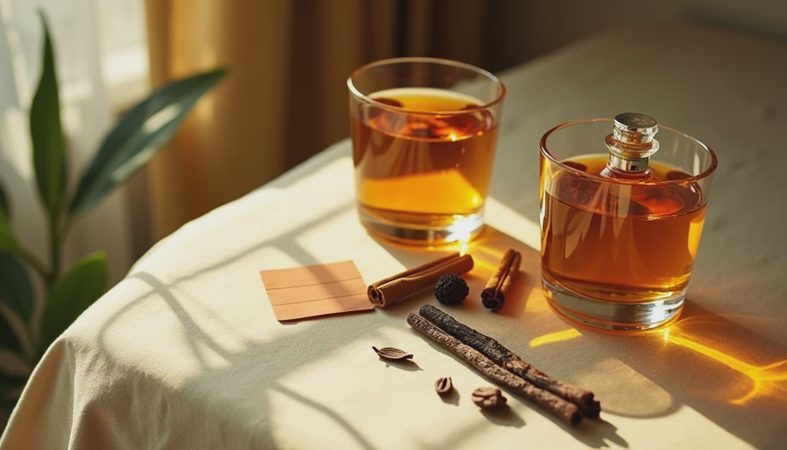
Spray each on a separate paper strip and label it. Give the scent a few minutes to settle, then come back later. The first burst can be dominated by brighter notes, so don't decide what you think of the base from the first sniff alone.
If one seems promising, try it on skin on another day. Start with one spray on your inner forearm and let it dry without rubbing. Check it after about 30 minutes and again a few hours later. Notice whether the earthy part gets softer, sweeter, or more prominent to your nose. Paper and skin can give different impressions, and a perfume's wear time varies with the formula and the person.
Avoid testing several scents close together on your arms; they can blur into one another. If you have sensitive skin, follow the product directions and avoid applying fragrance to irritated or broken skin. Stop using it if irritation develops.
When patchouli might not be for you
If the smell of damp soil, dried leaves, or earthy woods consistently puts you off, a patchouli-forward perfume may not be your easiest blind buy. Try a small spray on a strip first, especially if the description also mentions incense or resin. Those combinations can push the scent toward the darker, more atmospheric end of the spectrum.
On the other hand, don't reject a fragrance solely because patchouli appears near the bottom of its note list. If the overall scent smells good on your skin after a few hours, that matters more than whether you've learned to identify every ingredient. I'm not a perfumer, and I don't think enjoying perfume should require a vocabulary test. Sample slowly, trust your nose, and save the bottle money for something you actually want to wear.



No comments yet — be the first to share a thought.