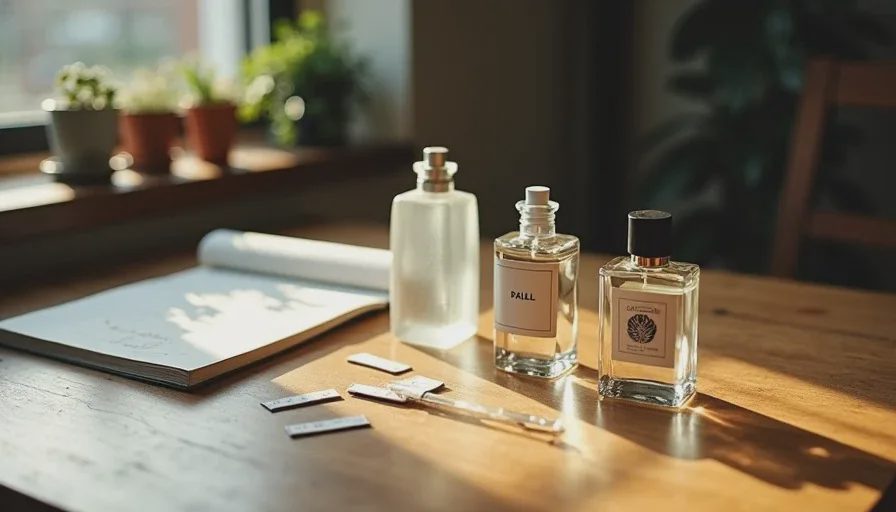
I used to think the niche vs designer perfume divide was simple: expensive meant good, and cheap meant compromised. Eight years and roughly forty full bottles later, I can tell you that's the most expensive lie in fragrance. I've paid 42 for a designer release that became my most-worn scent of the year. The name on the bottle tells you who made it. It does not tell you whether it smells good on you.
The Price Tag Trap
Here's my conclusion after years of blind buys and a short stint behind the counter at a local boutique: price reflects marketing budgets, ingredient sourcing, and brand positioning — not quality. A 70 designer scent built on a well-constructed accord. I fell for this exact trap too. My second-ever niche purchase was a $240 bottle I'd sampled once on paper and loved. On my skin, it turned sour within twenty minutes. That bottle sat on my shelf for two years before I swapped it for something I actually wore.
What "Niche" Actually Means Now
The word "niche" used to mean small-batch, independent, avant-garde. Now it's a marketing category, and plenty of big houses have quietly bought into the segment. Here's what I look at instead of the label:
Ingredient quality: Some niche houses invest heavily in natural materials. Others use the same suppliers as designer brands and charge three times more for the story.
Composition skill: A well-made designer fragrance from an experienced house can have better structure than a rushed niche release riding a hype wave.
Skin behavior: How a fragrance performs on your skin matters more than who bottled it. I've tested niche fragrances that vanished in two hours and designer scents that lasted ten.
Price per milliliter: When I do the math, some niche fragrances cost 0.80-per-ml designer option.
Tried it. Lived with it. Then I'll tell you if it's worth it. — That's the only standard I use now, whether the bottle costs 400.
When Designer Outperforms Niche
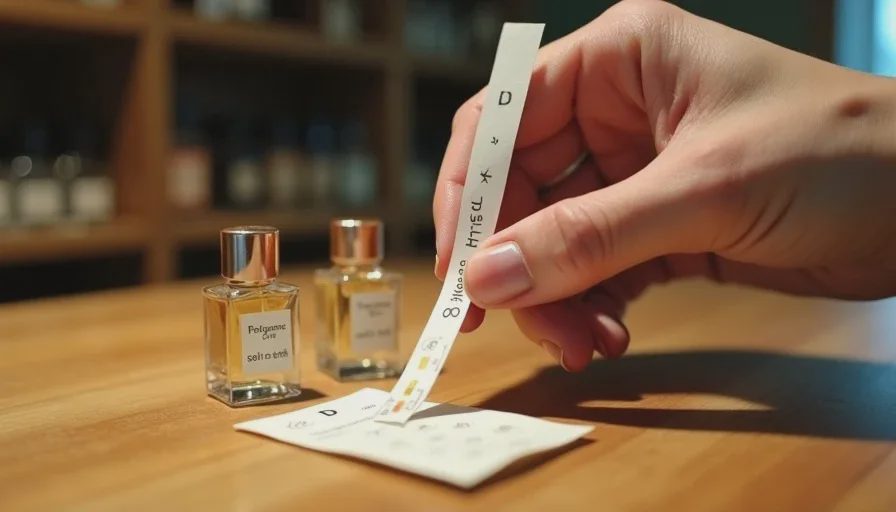
This is where it gets fun. Over the past three years, I've run side-by-side comparisons — same skin, same day, same amount applied — and some designer fragrances have genuinely outperformed their niche counterparts. Not in prestige. In smell, in staying power, and in how much I actually wanted to wear them. That's what finally made the niche vs designer perfume debate make sense to me — it's a smell test, not a status test.
Three Designer Wins That Changed My Mind
Here's a snapshot from my testing notes. I'm not naming specific bottles, because the point isn't to single anyone out — it's to show that the pattern repeats.
Fragment | Type | Price (approx.) | What I Noticed |
|---|---|---|---|
Design house A, citrus-woody | Designer | $75 | Bright opening, smooth dry-down, still present at hour eight |
Niche house B, similar profile | Niche | $210 | Sharper opening, turned slightly plastic on dry-down, gone by hour five |
Design house C, amber-vanilla | Designer | $90 | Warm, rounded, got a compliment without me asking |
Niche house D, similar profile | Niche | $185 | Lovely first hour, then flat and powdery for the rest of the day |
Brand cachet didn't make the niche options smell better or last longer. The composition did. Nate, my partner and designated untrained nose, has picked the designer option in blind smell tests more times than I expected. He doesn't know what things cost. He just tells me what smells good. And honestly? He's right more often than I am.
Judging on Merit, Not on a Name
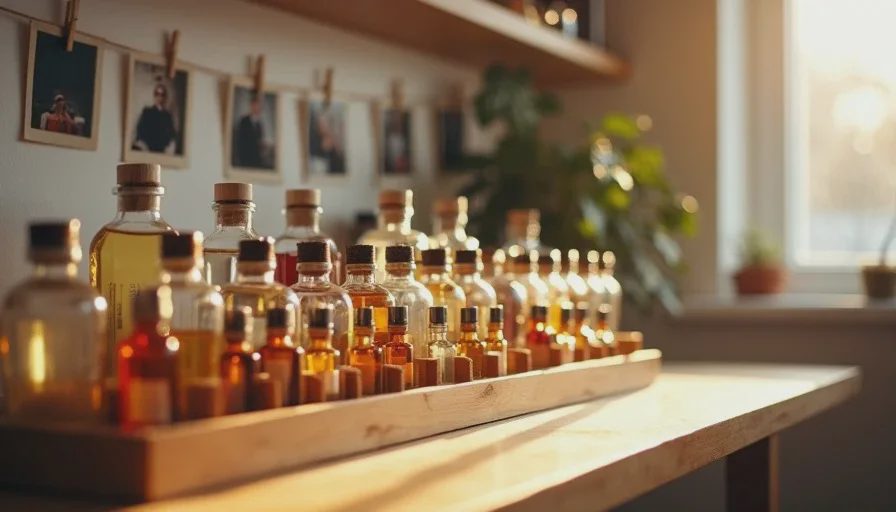
Here's the framework I use now, whether the bottle comes from a small independent house or a fashion conglomerate:
Does it smell like something I want to smell like? "Interesting" and "wearable" are different things. I've owned plenty of interesting fragrances I never wanted on my body.
Does it survive my day? I test on skin, not just paper. If it disappears in two hours, the price doesn't matter.
Does it work in Chicago's weather? Humid summers and freezing winters change how fragrances behave. A scent that's gorgeous in October can be cloying in July.
Does Nate notice it without prompting? If he says "you smell nice" without me asking, that's worth more than any brand prestige.
Would I reach for it again in a month? Novelty fades. If I'm not reaching for it after the sample phase, a full bottle won't change that.
The niche vs designer perfume question isn't "which is better?" — it's "which specific fragrance works for you, regardless of which shelf it came from?" I own bottles from both sides of that divide. The ones I reach for most often passed the five-point test above, not the ones with the fanciest packaging.
Buy samples. Buy decants. Test on your own skin through a full day. Let the scent prove itself before you spend the money. That's the only way to separate a fragrance worth owning from a fragrance worth admiring.



No comments yet — be the first to share a thought.