If you have searched what does 2 ml look like, you are probably standing over a tiny fragrance vial wondering whether you paid for a useful sample or a decorative thimble. I have bought enough decants to know that the answer is not obvious from a product listing. A 2 ml sample is small, but it is usually enough to test a scent properly over several days. It is not a travel spray, and it is nowhere near a full bottle, but it can save you from a $100 blind-buy regret.
What does 2 ml look like in real life?
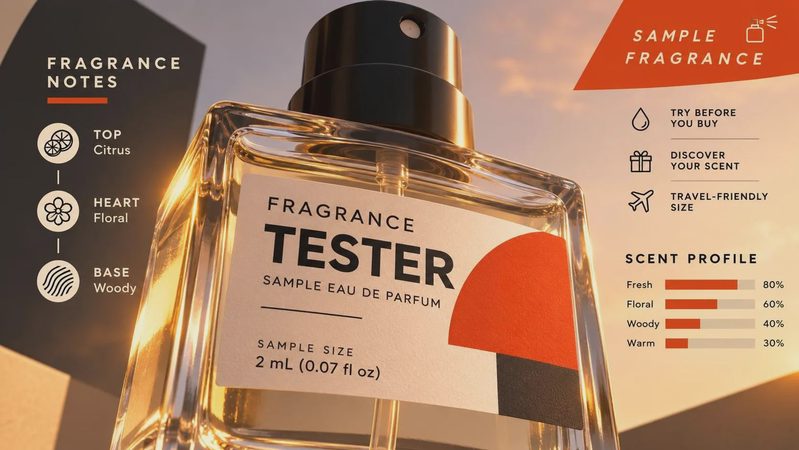
A 2 ml fragrance sample is usually about the size of a small plastic tube, narrow glass vial, or miniature spray atomizer. The container may stand roughly 2 to 3 inches tall, although packaging varies widely. Some sellers use a clear vial with a black cap. Others use a tiny spray bottle that looks like a miniature version of a travel atomizer. The liquid itself may fill only the bottom portion, especially if the bottle has a long neck.
To picture what does 2 ml look like, think of about 0.4 teaspoon of liquid. That comparison is not an invitation to measure perfume in your kitchen; I have spilled enough samples near my basil plant to know better. It is simply a useful visual. Two milliliters is also 0.0676 fluid ounces, so a listing that says 0.07 oz is describing essentially the same quantity.
The outside dimensions can mislead you. A thick vial may look substantial while holding only 1 ml, whereas a slim atomizer can hold 2 ml or more. Always trust the stated volume rather than the height of the packaging. A generous label and a wide cap do not mean more perfume.

How many sprays are in 2 ml?
The exact number depends on the sprayer. A typical fragrance atomizer releases roughly 0.08 to 0.12 ml per spray, which puts a 2 ml sample in the neighborhood of 17 to 25 sprays. Some delicate sample sprayers produce a fine mist and last longer. A cheap or forceful sprayer can use noticeably more with each press.
That is why what does 2 ml look like is only half the question. The more useful question is how you apply it. Two sprays per wear could give you around eight to twelve applications. One spray on your wrist and one on your neck might be enough for a lighter eau de toilette. A dense extrait or powerful amber could need only one spray, especially in a small office or apartment.
Do not press the nozzle halfway, repeatedly pump it to “wake it up,” or spray into the air and walk through it. Those habits waste a surprisingly large amount of a small sample. Hold the atomizer close to skin and use a complete, controlled press.
Is 2 ml enough to test a perfume?
Usually, yes. In my testing routine, I want to smell a fragrance at the opening, after two hours, and during the dry-down later in the day. I also want to wear it on more than one occasion. A 2 ml sample can support that process if I use it intentionally rather than treating every test like a department-store spray marathon.
The first wear tells you whether the opening is appealing. The second may reveal a sharp citrus, pepper, or alcohol effect that settles quickly. The third and fourth wears show whether the heart and base work with your skin. Weather matters too. A creamy vanilla can feel cozy in a cold Chicago afternoon and sticky in July humidity. A green fragrance that seems stern indoors may become beautiful outside near the lake.
I would give a 2 ml sample at least three separate wears before making a full-bottle decision. If the scent disappears after two hours, test it again on clothing, since fabric often holds fragrance longer than skin. Do not judge longevity from one rushed wrist sniff.
What does 2 ml look like compared with other fragrance sizes?
A 1 ml sample is often a tiny dab vial or a few sprays. It can tell you whether you dislike a scent, but it may not provide enough material for a thoughtful wear test. A 2 ml sample doubles that opportunity and is my preferred minimum for unfamiliar fragrances.
A 5 ml travel spray is visibly larger and may provide approximately 40 to 60 sprays, depending on the atomizer. That is enough for several weeks of occasional wear. A 10 ml travel size is closer to a compact lipstick tube and works well for a favorite scent you want in a purse or desk drawer.
A standard 50 ml bottle contains roughly 500 to 625 sprays, while a 100 ml bottle may offer about 1,000 or more. Those are broad estimates because sprayers differ. This comparison explains why what does 2 ml look like can sound underwhelming: it is only a small fraction of a full bottle. Its job is not to replace the bottle. Its job is to make the bottle decision less expensive.
How to use a 2 ml sample without wasting it
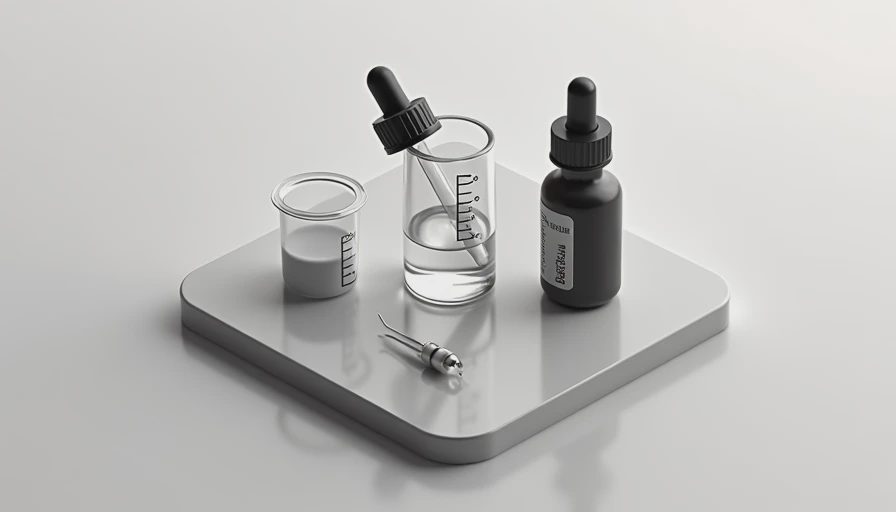
Start by labeling the sample with the fragrance name and date received. This sounds fussy until three identical clear vials appear on your desk. Test on clean, unscented skin, preferably after a shower, and avoid applying lotion with a strong smell beforehand.
Use one or two sprays on your first wear. Write down your first reaction, then check again after 30 minutes, two hours, and six hours. Note the texture as well as the notes: does it feel airy, syrupy, dry, soapy, smoky, or plush? Those plain descriptions are often more useful than a long pyramid of ingredients.
Try one wear at home and one during a normal day. Nate, my non-fragrance control group, is useful here because he does not care whether a scent contains iris or ambroxan. His reaction is usually something direct like “clean,” “too sweet,” or “that smells like a hotel lobby.” That is valuable information, not an insult to the perfume.
If the sample has a dabber, touch rather than rub the liquid onto skin. Rubbing can spread the fragrance quickly and make the opening harder to evaluate. If it is a spray, keep the nozzle clean and store the vial away from direct sunlight and heat.
Is a 2 ml sample worth buying?
For an unfamiliar designer or niche fragrance, absolutely, if the price is reasonable. A 2 ml decant might cost around $4 to $12 depending on the perfume and seller. Spending that amount before committing to a $90, $160, or $300 bottle is sensible math, especially when online descriptions make every scent sound like a life-changing silk robe in a moonlit garden.
Look for clear volume information, a seller with a straightforward decanting policy, and packaging that will not leak in transit. A sample should not be sold as a “miniature” if it is simply a decant, because a miniature usually refers to branded presentation and can have a different value to collectors.
The short answer to what does 2 ml look like is this: a very small vial or atomizer holding enough perfume for roughly 17 to 25 sprays and several meaningful tests. It will not tell you everything about a scent in every season, but it can reveal whether you enjoy the opening, dry-down, projection, and price-per-wear logic. Tried it. Lived with it. Then I will tell you if it is worth your money.
No comments yet — be the first to share a thought.