Chinese perfumes have been appearing more often in fragrance forums, boutique displays, and sample swaps, and I understand the curiosity. The category is broad, imaginative, and not always priced like traditional luxury. It is also easy to buy a beautiful bottle because the story sounds wonderful, only to discover that the scent disappears before lunch. I have fallen for that exact trap more than once. After eight years of testing fragrance on actual skin, I now approach Chinese perfumes the same way I approach any new purchase: sample first, live with the dry-down, and decide whether the price makes sense for my life.
I am not a perfumer, and I am not a brand. I am the person with roughly 40 full bottles and more than 200 decants and samples cycling through a small study corner on Chicago's North Side. Tried it. Lived with it. Then I'll tell you if it's worth your money.
Why Chinese perfumes deserve attention
The most interesting thing about Chinese perfumes is not that they are from a particular country. It is that many brands are building fragrance language around memory, food, landscapes, tea, incense, old buildings, and everyday rituals rather than copying a familiar European perfume template. That can produce scents that feel quiet, textured, and personal instead of immediately loud.
Some bottles lean into polished woods and amber. Others focus on tea, osmanthus, rice, herbs, smoke, or clean musk. A fragrance built around tea might smell airy and slightly bitter, like opening a warm tin in the kitchen. An incense perfume can feel dry and architectural rather than churchlike. These descriptions are more useful than simply calling something exotic, a word that tells you almost nothing about how a scent behaves.
Brands such as Scent Library, To Summer, and Documents have helped bring more attention to the range of Chinese perfumes available to curious shoppers. Their styles differ, so I would not treat the category as one uniform aesthetic. Read the note list, find independent wear tests, and look for samples from a retailer with clear sourcing and return policies.
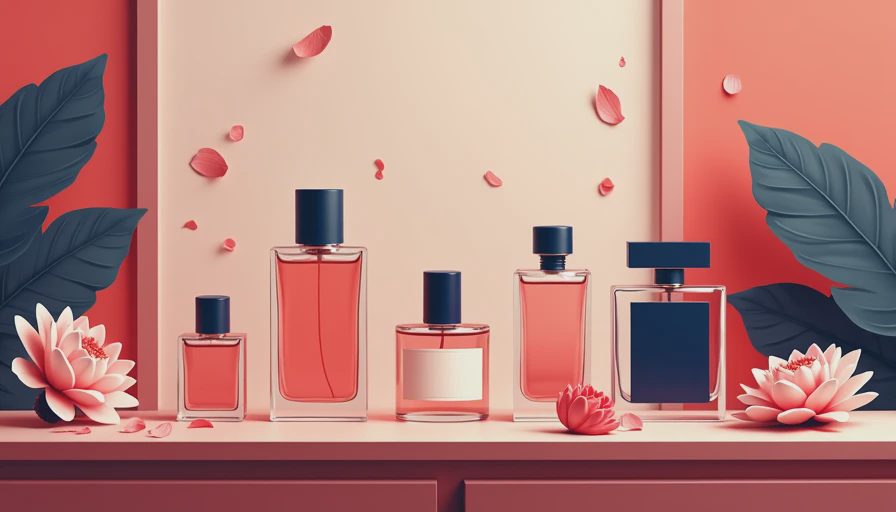
Notes, Decoded: what to expect on skin
Notes are ingredients or scent impressions used to describe a formula, but they are not a complete recipe. Two Chinese perfumes can both list osmanthus and smell entirely different because of woods, musks, citrus, or the amount of sweetness around that note.
Top notes are the opening minutes: citrus, herbs, light fruits, and sharper aromatics that evaporate relatively quickly. Heart notes form the middle, often including flowers, tea, spices, or softer fruit. Base notes stay closest to the skin and can include woods, amber, musk, vanilla, or resin. Think of it like cooking. The top is the first sizzle in the pan, the heart is the finished dish, and the base is the toasted flavor left on the spoon.
When sampling Chinese perfumes, spray one scent on each wrist and write down what happens at five minutes, one hour, four hours, and the end of the day. Paper strips are useful for comparing several options, but skin reveals the truth. My skin pulls sweetness from some woods, while Nate's skin makes the same materials smell drier and cleaner. That difference is why online note pyramids should start a test, not finish it.
A few styles worth sampling
Tea-centered Chinese perfumes are often the easiest entry point for someone who dislikes heavy sweetness. Look for green tea, black tea, oolong, mate, or tea paired with fig, incense, cedar, or musk. They can work beautifully at the office because they create a close, calm aura rather than filling an elevator.
Incense and wood styles are more variable. Dry cedar, sandalwood, cypress, and smoky resins can feel elegant in cool weather, but a dense formula may become too much in a heated room. Spray lightly and give it an hour before judging. The opening can be sharp, especially when pepper, camphor, or bitter citrus is involved.
Floral scents may center on osmanthus, jasmine, magnolia, peony, or lotus. Osmanthus can suggest apricot skin and soft leather; jasmine may be creamy, green, or intensely indolic; lotus usually reads watery and transparent. In Chinese perfumes, these flowers are sometimes used with mineral, tea, or wood notes instead of a conventional bouquet, which makes them worth testing if standard department-store florals feel too sweet.

How to shop without wasting money
Start with a sample or decant, not a full bottle. A sample can cost about $4 to $10, while a small decant often gives enough wear for several weeks. That is cheap insurance against a $60, $100, or $180 mistake. Give the fragrance at least three separate wears: one on a workday, one outdoors, and one in the season when you expect to use it most.
Check the seller before ordering. A reliable listing should show the bottle size, concentration when available, ingredient information, shipping details, and whether the sample is an official brand sample or a decanted portion. Be careful with dramatic discounts, unclear marketplace listings, and bottles without a batch or packaging description. Authenticity concerns are not unique to Chinese perfumes; any popular fragrance can attract questionable listings.
Also calculate price per wear. A $90 bottle used twice a week for a year can be better value than a $35 bottle you avoid because it gives you a headache. On the other hand, a $160 scent that only works for one dinner each winter may not deserve full-bottle space. My shelf is not a museum. Every bottle has to earn its footprint.
The Boyfriend Test and the long wear
Nate is my unofficial control group because he does not know a top note from a base note, and that is useful. He can tell me whether a scent smells clean, dusty, sweet, sharp, or like something he wants to escape. That reaction does not decide the review, but it catches perfumes that sound poetic in a description and feel awkward in a room.
Longevity also needs context. A light tea or citrus scent may last four to six hours on me, while a resinous wood can remain noticeable into the evening. Projection is different from longevity: a perfume can last all day close to the skin without announcing itself across the room. In an office or small apartment, that restraint is often a feature.
Test the dry-down before judging performance. In Chicago winter, dry air can make some scents feel thinner, while summer heat can amplify sweetness and musk. Apply to moisturized skin, avoid rubbing your wrists together, and notice whether the final stage still smells pleasant. If only the opening is exciting, save your money.
Are Chinese perfumes worth your money?
For me, the answer is yes when the perfume offers a material or mood I do not already have, performs adequately for its intended use, and can be sampled without financial gymnastics. The strongest options are not automatically the most expensive or the most unusual. A $45 travel spray that becomes your easy morning scent can be a smarter buy than a prestigious bottle that stays untouched.
My buying rule is simple: sample, wear it three times, compare it with two perfumes already in your collection, and wait a week before ordering. If you still find yourself reaching for the sample, investigate the bottle size and return policy. That process has saved me from plenty of pretty packaging and impressive storytelling.
Chinese perfumes are worth exploring as a varied group, not as a shortcut to collecting something rare. Start with tea, woods, incense, or a flower you already understand, then move outward. Keep notes, trust your skin, and let the fragrance become part of an ordinary day before deciding. The right bottle should survive real errands, real weather, and your real budget.
No comments yet — be the first to share a thought.