If you are searching for perfumes of the 70s, you are probably chasing more than a list of famous bottles. You may want the smell of a mother's vanity, a vintage department store, a disco evening, or a powdery scarf found in a thrift shop. I understand the appeal. I have bought old bottles because the packaging looked like a tiny piece of history, then discovered that history can smell a little like furniture polish. Tried it. Lived with it. Then I'll tell you if it's worth it.
What made 1970s fragrance feel different
Perfumes of the 70s were often richer, louder, and less concerned with staying politely inside your personal bubble. Fragrance was expected to announce itself when someone entered a room. Florals could be creamy and powdery, orientals could be warm and resinous, and green scents often had a sharp, leafy snap that modern releases sometimes smooth away.
The decade also favored recognizable perfume families. You will see plenty of aldehydic florals, rose, jasmine, patchouli, oakmoss, amber, musk, sandalwood, and vanilla. Think of these materials as ingredients in a well-seasoned stew rather than separate toppings. Patchouli might smell earthy and dark, while amber adds the warm, sweet broth underneath. A vintage-style fragrance rarely whispers one note at a time.
Many perfumes were also sold as complete scent wardrobes: parfum, eau de toilette, bath products, powder, and lotion. Wearing the same fragrance in several layers was common, which helps explain why some memories of perfumes of the 70s seem almost room-filling. A single spray on today's skin may not recreate the entire effect.
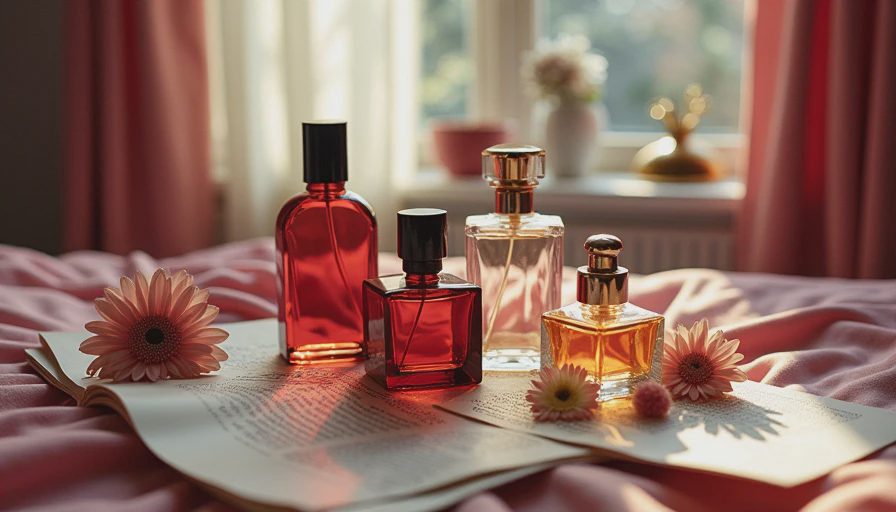
The bottles worth knowing first
Several perfumes are repeatedly mentioned when people discuss perfumes of the 70s. Yves Saint Laurent Opium arrived in 1977 with a spicy, resinous profile built around warmth, woods, and incense-like depth. It is dramatic rather than easygoing, and a modern wearer should start with one spray, not the enthusiastic cloud I once created before a dinner reservation.
Dior's Diorella, released in 1972, offers a very different direction. It has a polished citrus-floral character with a breezy, elegant quality. Estée Lauder introduced White Linen in 1978, a crisp, clean floral that feels tailored and bright. Clinique's Aromatics Elixir, launched in 1971, is greener, more herbal, and famously persistent.
For a softer floral experience, look at fragrances such as Anais Anais, which launched at the end of the decade in 1978. Its floral impression is romantic and creamy rather than minimalist. Halston's original fragrance, introduced in 1975, is another important name, with a sleek, floral character and a bottle that still looks unmistakably seventies.
These are not interchangeable recommendations. Opium can feel like a velvet jacket; White Linen is more like a freshly pressed cotton shirt. That contrast is useful when exploring perfumes of the 70s because the decade was not one single smell.
Notes, Decoded: why vintage can surprise you
When reading old fragrance descriptions, do not assume a listed note will smell exactly as it does in a current bottle. Perfume formulas change because of regulation, ingredient availability, brand ownership, and ordinary reformulation. A fragrance from the 1970s may contain a different balance from a bottle sold today under the same name.
Age matters, too. Heat, sunlight, and air gradually alter perfume. A bottle kept in a sunny bathroom may smell flatter, darker, or more sour than one stored in a cool drawer. Color changes can offer a clue, but they do not tell the whole story. Darker liquid is not automatically bad, and pale liquid is not proof of freshness.
My approach to perfumes of the 70s is simple: sample first whenever possible. Spray a paper strip, then skin, and wait at least four hours. The opening can be bright or medicinal before the heart appears. The dry-down is where the real decision happens. Nate, my untrained control group, often ignores the top notes completely and says, “That smells like an old hotel,” which is occasionally the most useful review available.

Vintage bottle or modern remake?
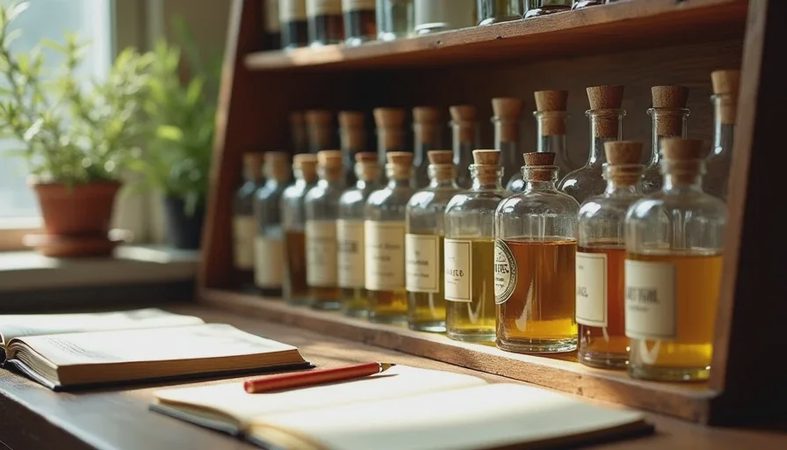
Buying a vintage bottle can be rewarding, but it is not always the best way to experience a scent. A sealed bottle from the period may command $60 to well over $200 depending on the brand, size, condition, and seller. An opened bottle can cost less, but you are also paying for uncertainty: storage history, evaporation, leakage, and authenticity.
A current bottle is easier to find and usually safer for everyday use, but it may not match the formula you remember. That does not make it bad. It simply means you should judge the liquid in front of you instead of buying a memory and expecting an exact replica.
Decants are the sensible middle ground. A two- or five-milliliter sample lets you test a vintage-style fragrance across several days for roughly the cost of a coffee or two. Try it in cold weather, warm weather, and on clothing after your skin test. Some perfumes of the 70s become beautiful in winter and overwhelming in a heated office.
How to wear the decade without smelling like a costume
The easiest way to wear perfumes of the 70s now is to control the dose. Start with one spray under clothing or behind one ear. Give it thirty minutes before adding more. Strong perfume on a dry winter scarf can last far longer than expected, while summer heat can make the same scent expand quickly.
Pair a dense fragrance with simple clothing and a relaxed setting. Opium can work with jeans and a wool sweater, not only a formal evening outfit. A green floral such as Aromatics Elixir may feel more current with a clean white shirt than with a head-to-toe vintage look. White Linen can be lovely after a shower, especially if you enjoy crisp scents that do not lean sugary.
Do not spray directly onto delicate vintage fabric, silk, or jewelry. Alcohol and perfume oils can leave marks, and older pieces deserve a little caution. Test on an unseen area or use skin instead. Also remember that fragrance etiquette is part of wearing fragrance well: a scent should be enjoyable at arm's length, not a weather system following you down the hallway.
Are perfumes of the 70s worth your money?
Yes, when you are buying the composition rather than the fantasy. The best perfumes of the 70s have texture: bitter citrus, velvety flowers, earthy patchouli, dry woods, and musks that develop instead of disappearing after an hour. They can make a modest outfit feel considered, and they often offer a personality modern clean-girl releases intentionally avoid.
They are not worth your money when a seller uses words such as “rare” or “untouched” to justify any price without showing clear photographs and storage details. Ask about fill level, batch markings, leakage, and whether the seller accepts returns. A trusted decant shop is often a better first stop than a marketplace auction.
My short buying plan is to choose one floral, one green scent, and one warm oriental style. Test each on skin for a full day. Compare the opening, two-hour mark, dry-down, comfort, and compliments, but do not let compliments make the decision for you. If you still want the bottle after three wears, then you have found something with a chance of earning its shelf space.
That is the useful lesson behind perfumes of the 70s: they reward patience, not hype. Start small, keep your expectations realistic, and let the scent become part of your life before calling it a classic.
No comments yet — be the first to share a thought.