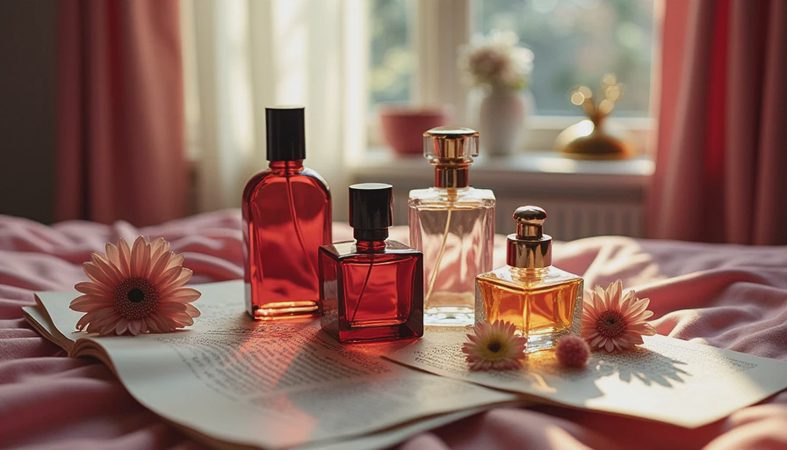
A blind buy is purchasing a fragrance without smelling it on your skin first. I made this mistake constantly in my twenties: I read glowing reviews, watched three videos, saw a beautiful bottle, and clicked “buy” before my nose had any vote. Sometimes it worked. More often, I owned an expensive perfume that smelled like somebody else’s idea of a good time.
I am not a perfumer, and I am not a brand. I am a fragrance reviewer who has spent eight years testing roughly 40 full bottles and more than 200 samples and decants. Tried it. Lived with it. Then I’ll tell you if it’s worth your money. Here is how to make a blind buy less of a gamble and more of a measured choice.
Why a blind buy goes wrong
Fragrance reviews are useful, but they cannot transfer someone’s skin chemistry, memories, or tolerance for strong materials to you. A reviewer might describe a creamy sandalwood as cozy; you might smell pencil shavings. Someone else may call a rose note elegant while it reminds you of soap in a hotel bathroom.
Marketing adds another layer of trouble. A dark bottle, a dramatic campaign, and words like “intoxicating” or “addictive” create a mood before you smell anything. Notes listed on a brand page are clues, not a recipe. “Vanilla” can mean cupcake, dry powder, smoky resin, or warm skin. “Musk” can be clean laundry, fuzzy fabric, or something much sharper.
My worst blind buy was not a cheap mistake. It was a heavily praised bottle with a lovely amber opening that turned into burnt sugar and medicinal wood after an hour. I kept trying to like it because I had paid for the reputation as much as the liquid. That is sunk-cost thinking wearing perfume.
The safest way to test before buying
Start with a sample or decant. A 1- to 2-milliliter sample often costs about $4 to $10, while a 5- to 10-milliliter travel spray commonly falls between $15 and $35. That is a much kinder experiment than spending $90 to $180 on a full bottle and discovering you dislike the dry-down.
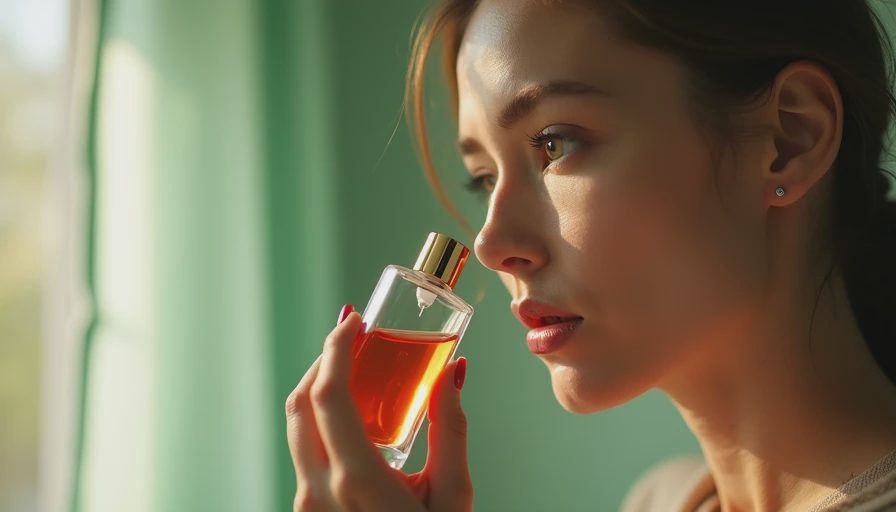
Spray once on a paper strip and once on clean skin. The strip shows the general direction, while your skin reveals how the fragrance develops with warmth, moisture, and your own natural scent. Do not judge after the first thirty seconds. Top notes can disappear quickly, and the heart may not appear for twenty minutes.
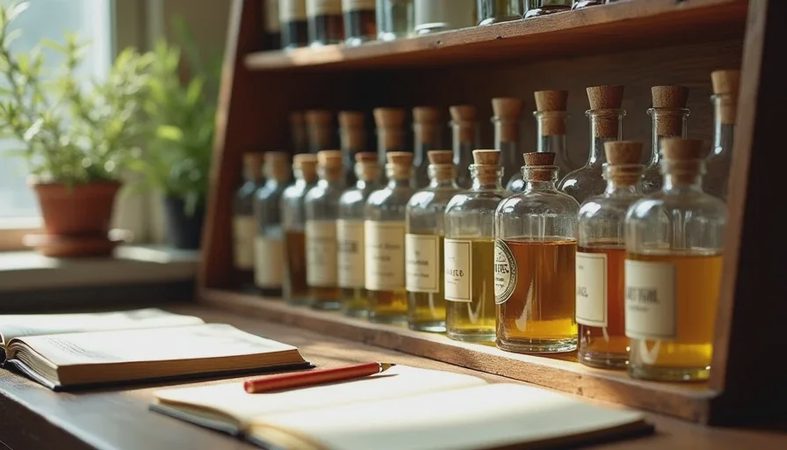
Write down what happens at five minutes, one hour, four hours, and near the end of the day. You do not need a spreadsheet, although I have one because apparently this is who I am now. Note projection, comfort, longevity, and whether you want to smell it again. Wanting another spray is more important than being able to identify every ingredient.
Notes, Decoded: read the list like a cook
Think of a fragrance note list like a menu. It tells you the ingredients the chef wants you to notice, but not the exact dish on your plate. Citrus, herbs, and watery notes often suggest a brighter opening. Woods, amber, vanilla, patchouli, and musk can point toward a warmer or heavier finish. The final result depends on proportions and materials.
Look for patterns across several perfumes you already enjoy. If you repeatedly choose cardamom, tea, iris, and soft woods, a fragrance built around syrupy fruit and dense oud is a riskier blind buy, even if the review says it is versatile. Your existing shelf is evidence. Use it.
Also pay attention to words such as “beast mode,” “polarizing,” “animalic,” “soapy,” and “powdery.” These are not automatic warnings, but they tell you where the personality lives. “Beast mode” usually means strong projection or longevity, not better quality. A perfume that lasts twelve hours can still be twelve hours of regret.
How I decide whether the full bottle earns its place
A full bottle should solve a real problem in your collection. Maybe you need an easy office scent, a hot-weather citrus, or something polished for dinners. If you already own three similar vanilla perfumes, the fourth should offer a meaningful difference rather than another attractive label.
I ask four questions after testing: Do I enjoy the opening? Do I like the dry-down? Can I imagine wearing it in at least two situations? Will I reach for it often enough to justify the price? A $35 travel spray worn twenty times can be better value than a $150 bottle worn twice.
For example, a 50-milliliter bottle with roughly 500 sprays costs about 30 cents per spray at $150. That sounds reasonable until the bottle sits untouched. A $6 sample that prevents the wrong purchase is not money lost; it is a small research fee. I learned that lesson after buying several bottles that looked beautiful on a shelf and felt awkward on my skin.
When a blind buy can make sense
There are situations where a blind buy is reasonable. You may be replacing a fragrance you have already worn, buying a trusted flanker from the same line, or choosing an inexpensive body mist with low financial risk. You might also know that you enjoy a particular style from a specific house and have tested several of its releases.
A familiar brand is not a guarantee, though. Reformulations, concentration changes, and different ingredients can shift the experience. Even a fragrance labeled “intense” is not necessarily richer or longer-lasting in a way you will enjoy. If the price is above your personal comfort zone, sample first.
I am more comfortable with a blind buy under $30 when returns are straightforward and the scent profile is familiar to me. I become much more cautious around $75, and I want a skin test before anything near $150. Your numbers can differ, but setting them in advance keeps excitement from making the decision for you.
A practical checklist for your next purchase
Before ordering, read several reviews from people who describe wear over time rather than only the opening. Search for phrases such as “dry-down,” “on skin,” “longevity,” and “season.” Pay attention to repeated complaints. One person disliking a fragrance is an opinion; ten people mentioning a sharp chemical opening is useful information.
Next, compare the note structure with perfumes you already own. Order the smallest test option available. Wear it on a normal day, not only while sitting in a store with a dozen competing scents in the air. Try it in the weather where you expect to use it. Chicago winter can make a fresh cologne feel thin, while summer humidity can turn a sweet amber into a sticky cloud.
Finally, wait at least a day before purchasing the bottle. If you still want it after showering, working, eating, and sleeping, you have stronger evidence than a first impression can provide. A blind buy should be a considered exception, not your default shopping method.
The honest answer: sample first, then spend
The thrill of a blind buy is real. There is something charming about opening a parcel and meeting a scent with no expectations. I still do it occasionally, especially with affordable releases or fragrances whose style is already familiar. But I no longer confuse surprise with value.
Samples, decants, and patient wear testing make fragrance collecting more enjoyable and less expensive. They also leave room for the best outcome: discovering that a scent is not for you without blaming your nose or forcing yourself to finish the bottle. Try it in real life, let the dry-down speak, and buy only when the fragrance earns a place on your shelf.
No comments yet — be the first to share a thought.